State 
From which state of India does the paper originate?
Wound healing: Bacterial cellulose and neem-hypericum oil
Wound dressings need to be changed and it is quite painful to the patient. Indian researchers tried a paste made of bacterial cellulose in a suspension of neem oil and hypericum oil in water. The wounds healed and closed fast when tested on rats. Deepika Baskaran reports recent research.
Diabetes and left ventricle dysfunction
Diabetes can lead to malfunctioning kidneys and heart diseases. Kidney malfunction measured using albumin in urine is simpler than measuring heart conditions. Indian researchers provide physicians a clue to detect diabetes patients who may be developing heart disease using albumin in urine as a proxy. Mahwish Adnan reports.
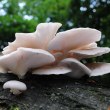
Oyster Mushrooms: a market opportunity
Button mushrooms are easily accessible in the market in most places in India today. But, more nutritious and tastier oyster mushrooms are not. That is an opportunity for paddy farmers, say Indian researchers. Here is a report on recent research on farming oyster mushrooms.
Red rice and white rice: nutritional differences
Seven different rice varieties from Himachal Pradesh. Some grow well in tropical climates; some flourish in temperate climates. Some are red and others are white. Which one provides better nutrition? Gayathri S reports a recent research collaboration between an ICAR institution and a private university.
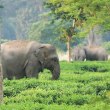
Elephants and humans: conservation, coexistence and conflict
Between 2000 and 2023, more than 1400 humans died in Assam due to elephants and more than 625 elephants died due to humans. Which are the hotspots of elephant-human conflict? What can be done to reduce the problem? Sanghamitra reports recent research by Indian researchers.
Chronic Kidney Disease: interstate disparities in India
Chronic kidney disease is surging in India. National statistics show that it has now gone above more than 130 million cases. But what the statistics hide is that the morbidity and mortality due to chronic kidney disease is not evenly distributed in all states. Aritha Chandrasekhar reports –
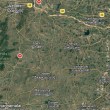
Cheyyar River Basin: recharging groundwater
When groundwater in river basins starts depleting, lives and livelihoods of the people there are threatened. The strategies for groundwater recharge differ from basin to basin. Khushbu Birawat reports research that clarifies what needs to be done in the Cheyyar River basin.

Urinary podocalyxin: an early biomarker for diabetic nephropathy?
Is there a way to detect the development of nephropathy in diabetes type 2 patients even before albumin shows up in urine? Research done at the Medical College Hospital, Thiruvananthapuram suggests that the protein, podocalyxin, in urine may be an early biomarker for diabetic nephropathy. Mahwish Adnan reports.
Predicting probiotic persistence: personalising prescriptions
Sometimes, prescriptions of probiotic bacteria do not have the intended results. In some, the bacteria colonise the gut, while in some others the prescription fails. Why? Researchers from IIIT Delhi and AIIMS Delhi have come up with answers, reports Gayathri from Sastra Deemed University, Thanjavur.
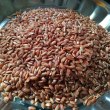
Fermented cooked rice: variety matters
Soak left-over rice in water and it starts fermenting. The bacterial species responsible depends on the variety of rice. Researchers from Chennai compares and contrasts the bacterial species in fermented rice of two distinct traditional varieties. They find that the bacteria have probiotic properties. Aritha Chandrasekhar reports.

