Delhi 

Tuberculosis bacteria in labs: search for a clinically appropriate model
The abundance of food, comfort and safety in culture media have made the strain of tuberculosis bacteria in labs less virulent over generations. Indian scientists from NCR region have now come up with protocol for producing a more clinically relevant laboratory model. Bharati Swamy reports:
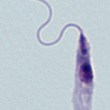
Fighting Leishmania with Synthetic Glycoside
A glycoprotein protects leishmania parasites from digestion by our macrophages. So the parasites can hitch a ride on macrophages to viscera, mucosa or skin and start dividing, causing leishmaniosis. Indian scientists have come up with a synthetic glycoside which targets the glycoprotein and effectively kills the parasites. Tanya Jain, NII, reports.

Winter Productivity in the Arabian Sea
IIT Delhi has created a biophysical model to explain the influences of the Indian Ocean Dipole and El-Niño on the algal blooms in the Arabian sea. Simulations can now help predict algal bloom in the area – a boon for fishers to identify potential fishing sites.
Spontaneous Abortions: Chlamydia and microRNAs
Infection by Chlamydia trachomatis, a bacteria, can cause recurrent spontaneous abortions. Sangita Rastogi and team, ICMR-NIP, New Delhi recently identified two biomarkers in urine that signal the possibility of spontaneous abortion. Read on for details.
Fucoidan: A Natural Polysaccharide for Cervical Cancer
The drug, SAHA, used for treating cervical cancer has too many side effects. Ilora Ghosh and team from JNU has now suggests a nontoxic alternative, fucoidan, a sulphated polysaccharide from brown seaweed.
Biological Control of Aphids: ladybird beetle
Aphids suck the sap out of our crops. The zigzag ladybird is a natural predator that can control the pest. Researchers from IARI find that the ladybirds do not even have to eat the pests: the mere presence of the predator is adequate to drive away the pestilence. Read more.
Nanoparticles for Pain Relief
Injections are painful. But what if drugs and vaccines that can’t be taken orally are administered nasally? Especially those that need to be delivered to the brain? How do we make such nanocapsules for nasal spray?
Malaria-Parasite Hijacks Mosquito Gut Microbiota and Immunity
Mosquitoes suffer because of Plasmodium, the malarial parasite. The parasite undermines the normal gut microbiota and weakens its immune system, makes it ill. Probiotics for mosquitoes may reduce malarial transmission, say researchers

Hypertension: Reasons for missed appointments
India now has a system to bring down the death rates of cardiovascular diseases by monitoring the registered hypertensives,. Yet the patients miss their regular appointments. Why? Bidisha Das from the WHO country office investigates.
Epidemiology of TB: Mathematics of transmission
Tuberculosis occurrence rates seem to pulsate in time, according to a stochastic model of TB transmission. Researchers from JNU, New Delhi inquire to seek solutions. Read on.

