Medicine 
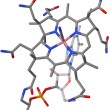
Vitamin B12 during pregnancy: epigenetic modifications in newborns
Research has shown that vitamin B12 deficiency during pregnancy, leads to developmental defects in the embryo stage and a propensity to non-communicable diseases such as diabetes in babies after birth. Researchers in Pune have now uncovered the reasons. Thamanna Sadique reports.
Quicker, low-cost breast cancer diagnosis
Doctors at the Netaji Subhash Chandra Bose Government Medical College and Hospital, Jabalpur have come up with technique to diagnose breast cancer even in remote health centres. All you need is a syringe available even in resource poor clinics and a microscope. Sanghamitra reports from Cuttack.
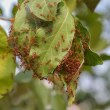
Insect-rich Tribal Diet: Medicine in Mayurbhanj
Insects are rich in protein and other nutrients. They are a source of medicine too, for tribals in Odisha. Sanghamitra from Cuttack reports investigations by researchers from three different universities in Odisha on entomophagy as food and as traditional medicine by tribals in Mayurbhanj district.

Eliminate mosquito larvae using East Indian Globe Thistle
Even a low concentration extract of the leaf of the East Indian Globe Thistle can kill mosquito larvae without impacting fish populations in water, say scientists from Loyola College, Chennai. They have identified the active compound, β-isocostic acid, and worked out how it acts. Dhatri Madduru reports:
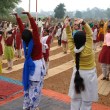
Surya Namaskar and anxiety in polycystic ovary syndrome
Can women with polycystic ovary syndrome benefit from practicing Surya Namaskar? Sri Manjari reports research done by Yashvi Panjrath, Vijendra Nath Pathak and Krishan Kumar, which suggests that practicing Surya Namaskar helps reduce anxieties related to body image, a common problem among women with PCOS. Read on…
Fibre biosensor to diagnose cardiovascular disease
The amount of the proteins, troponin T and troponin I, in blood is helpful to assess the damage done due to a heart attack. Troponin I is a better indicator. Researchers have now come up with a lab-on-a-chip device to detect the protein. Read the details of their ingenious invention.
Tears as Clues: Towards global research standards
Tears hold clues about infections or inflammation of the eyes. Research suggests that tears may also have biomarkers to help detect many other conditions, including cancer and neurodegeneration. Here is a report on removing the main roadblock in research and development in this direction.

Fungi in cancer: revealing deeper relationships
Why do cancer biopsy samples show presence of fungi? Why is it that the fungal species found are specific to different types of cancers? Is it that the tumour environment allows fungi to invade? Or is it that fungi convert normal cells into cancerous ones? Read on to find answers.
Bilayered 3D hydrogel dressing for chronic wounds
Researchers from the Rajiv Gandhi Centre for Biotechnology, Thiruvananthapuram have come up with a dressing that can help heal chronic wounds. Besides mimicking the matrix between cells, it contains bioactive peptides that help keep infections at bay, Tests show that wounds on diabetic mice heal fast. Read on for more.
Chronic Kidney Disease in Rural Andhra Pradesh
Cases of chronic kidney disease of unknown cause were seen in Uddhanam, Andhra Pradesh and later, in Tamil Nadu and Pondicherry. Similar cases have been reported from other parts of the world. What are the kidney pathologies in such cases and what could be the cause? Recent research provides clues. A report by M Karunanithi.

