Medicine 
Malignant Melanomas in India
Melanoma patients in India have a pattern of mutations that is different from the pattern seen worldwide, say researchers from the Homi Bhabha National Institute. While 75% of the patients in global sample have mutations in two genes, Indians cases have only 31%. A Anuradha reports.
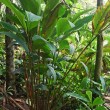
Wild Edible Plants: Wancho tribe diet
The Wancho tribe in Patkai hills, Arunachal Pradesh do not follow their wild ways anymore and cultivate food. But they still collect wild plants as food. Researchers from NERIST, Arunachal Pradesh recently examined the nutritional qualities of four such plants. Rojjita Mishra reports.
Inflammatory Bowel Disease: A new therapeutic target
The causative mechanism behind inflammatory bowel disorder is not yet known. The therapeutic strategy to counter the inflammatory response targeted the pathway that was recognised earlier. But there is another pathway that influences inflammation. Soumen Basak’s lab at NII pry apart the role of the two pathways in inflammation. Alvina Deka reports:

Treating Hyperpigmentation: Targeting Fatty Acid Synthesis
Hyperpigmentation, where parts of the skin are darker, pose psycho-social difficulties for some. Indian scientists trace the causative roots of the problem to fatty acid metabolism. Their results point at possible therapeutic interventions. Tanya Jain reports:

AdipoRon Ameliorates Alzheimer’s: clues from diabetes research
Adiponectin, a signalling molecule from adipose tissues, has been implicated in insulin resistant cases of diabetes. AdipoRon, adiponectin receptor agonist, alleviates the symptoms. If not managed properly, diabetic patients develop Alzheimer’s disease. Can Adiporon reduce the symptoms of Alzheimer’s too? Neha Jawla reports recent findings from the National Institute of Immunology.

Tuberculosis bacteria in labs: search for a clinically appropriate model
The abundance of food, comfort and safety in culture media have made the strain of tuberculosis bacteria in labs less virulent over generations. Indian scientists from NCR region have now come up with protocol for producing a more clinically relevant laboratory model. Bharati Swamy reports:
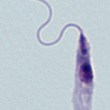
Fighting Leishmania with Synthetic Glycoside
A glycoprotein protects leishmania parasites from digestion by our macrophages. So the parasites can hitch a ride on macrophages to viscera, mucosa or skin and start dividing, causing leishmaniosis. Indian scientists have come up with a synthetic glycoside which targets the glycoprotein and effectively kills the parasites. Tanya Jain, NII, reports.
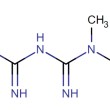
Metformin in Diabetes Type II: responders vs non-responders
The prevalence of diabetes type II is increasing rapidly. The drug of choice for the condition is metformin. But all patients do not respond to the drug in the same manner. Why? Researchers from Manipal came up with an answer. Karthic A reports.
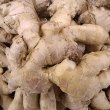
Ginger Extracts: Free radical scavengers and radioprotectors
There are four ginger species that grow in Manipur. Ginger is known to have many beneficial molecules. But how do the four species differ in their nutraceutical properties? Researchers from the DM College of Science, Imphal recently investigated.
Khuban Buch, a researcher from Srinagar, Kashmir, reports the findings.
Research Round Up 1: COVID-19
What are Indian researchers doing about COVID-19? Sileesh Mullasseri, KUFOS, Kochi investigates the publications between 15th and 31st January.

