The Wancho tribe, in the Patkai hills of Arunachal Pradesh, were once warriors. Just a few decades ago they stopped being headhunters. They now use shifting cultivation to grow paddy, maize, and other staple crops.
Madhubala Sharma, Chaman Lal Sharma and Jayanta Gogoi from the North Eastern Regional Institute of Science and Technology, Arunachal Pradesh have been investigating the medicinal value of plants used by the Wancho tribe and the marketing of these plants.
Now, based on previous investigations, they chose four most popular wild plants consumed by the Wanchos to analyse the nutritional values.
The Wanchos use the flower buds of Amomum dealbatum, as a vegetable. The buds are typically boiled or steamed and eaten with rice.
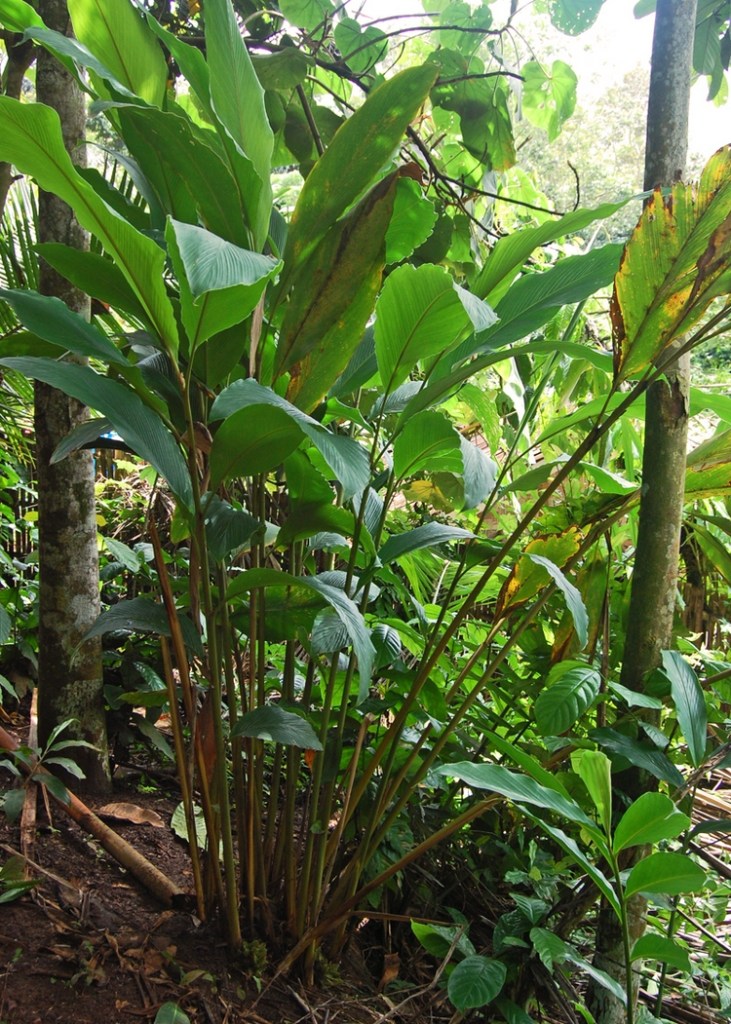
Image: Wibowo Djatmiko via Wikimedia Commons
The researchers found that Amomum dealbatum flower buds contain a lot of water and have very low mineral content. But the flower buds were a good source of fat, zinc, sodium, and potassium. Amomum dealbatum flower buds are an excellent source of macro and micronutrients, and they could be a valuable addition to the diet.
The Wanchos also use the leaves of Clerodendrum infortunatum as a vegetable.
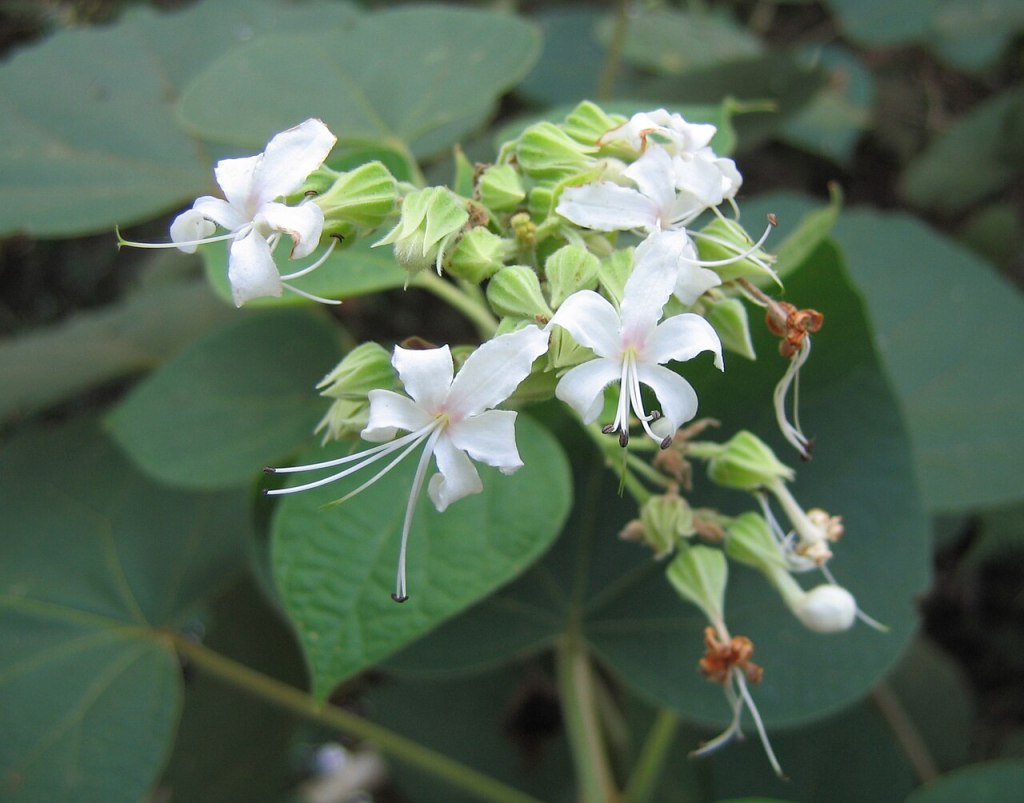
Image: Vinayaraj via Wikimedia Commons
The research team found that the leaves of Clerodendrum infortunatum are a rich source of iron and manganese, minerals important for human health. The leaves are a source of minerals, such as calcium, magnesium, and zinc.
The Wanchos cook the leaves of Zanthoxylum oxyphyllum in different dishes, such as curries and soups.
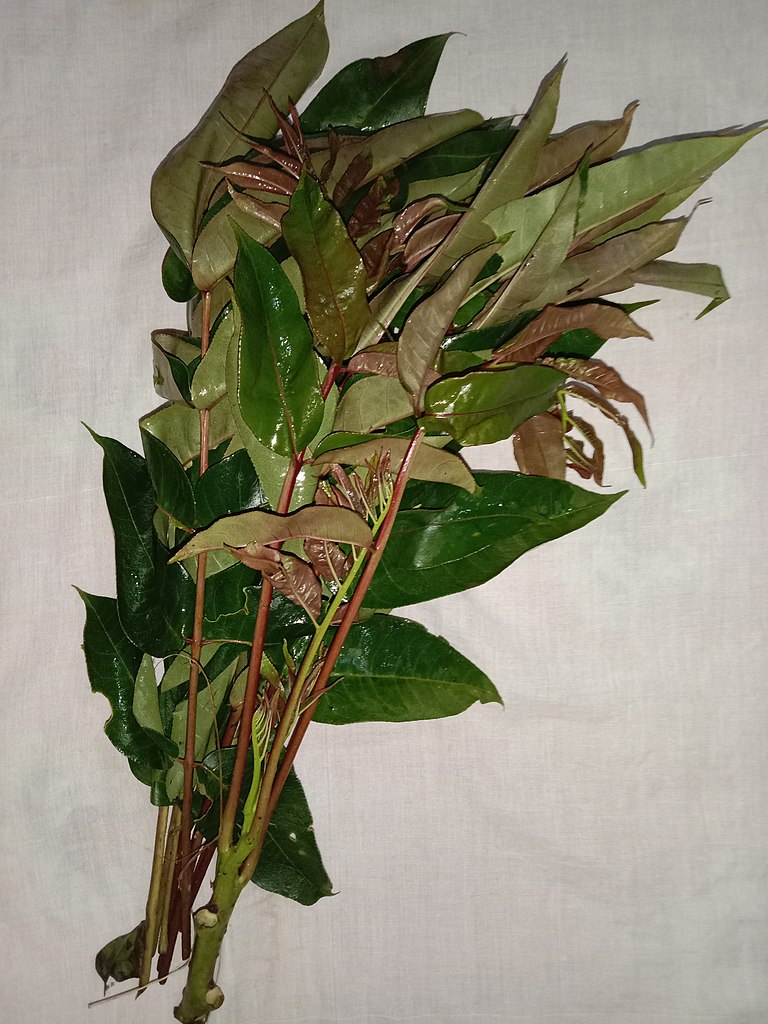
Image: Chiring Chandan via Wikimedia Commons
The researchers found that the leaves of Zanthoxylum oxyphyllum contain a lot of protein, calcium and iron.
The leaves of Phlogacanthus thyrsiformis are safe to eat. They have a lot of fibre and vitamin A and C content, but not much protein.
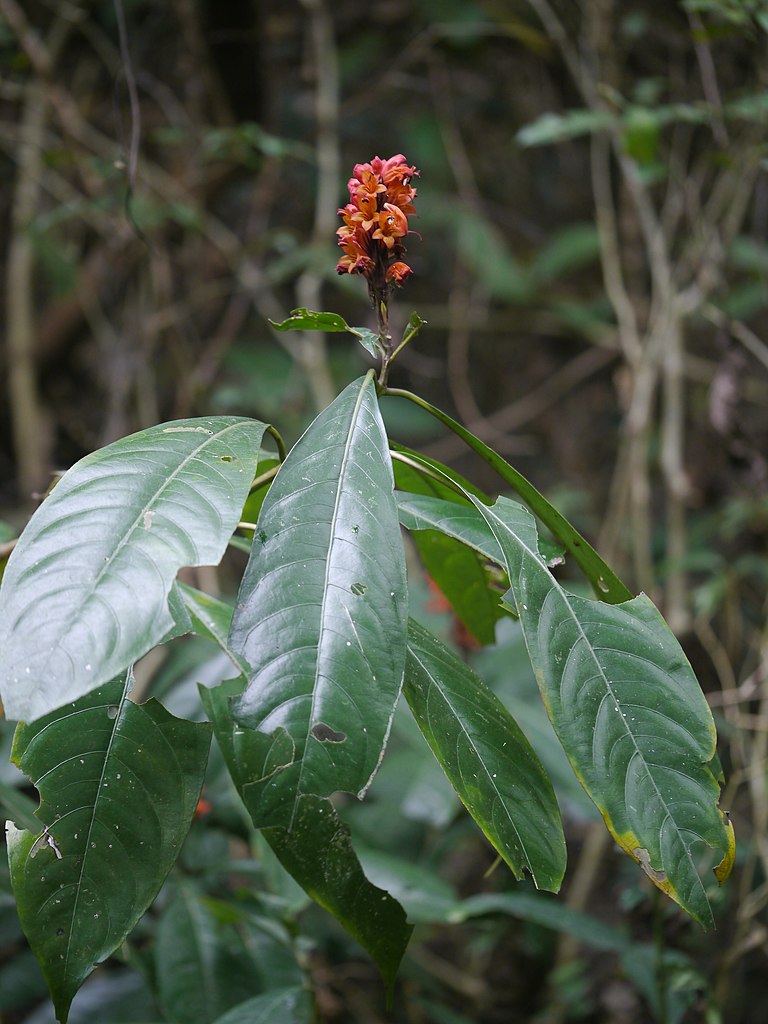
Image: Rohit Naniwadekar via Wikimedia Commons
Wanchos use these plants not merely as foods, but also as medicine. For example, the leaves of Clerodendrum infortunatum are used to treat wounds and bleeding. The leaves of Phlogacanthus thyrsiformis to make medicine for fever, cough and diarrhoea. Tea made with the leaves is also reproted to be relaxing.
More research on the traditional knowledge of the Wancho tribe about plants as food and medicine needs to be taken up. Many of these wild plants could even be brought under agriculture to overcome nutritional deficiencies in the region.
DOI:10.1007/s42535-023-00660-y;
International Journal of Plant Research, 36 (2): 1-7 (2023)
Reported by Rojita Mishra
Polasara Science College, Odisha
*This report was written during the 4th online workshop on science writing organised by Current Science. For details about the online workshop, see scienceandmediaworkshops.


Leave a comment