Delhi 
Potato Peels and Pea Pods
(0)Cellulases, enzymes that break down cellulose, are in high demand. But the supply is limited. Indian researchers have now come up with new sources and cheap raw materials to produce cellulases at an industrial scale. K. Yashkamal reports.
Predicting Induced Seismicity
Akshat Goel, an economist, teams up with Denise Gorse, a computer scientist, to compare machine learning models designed to predict seismicity in a gas field in the Netherlands. The work may provide clues for predicting seismicity in some parts of India too. Read on for more.
Inflammatory Bowel Disease: A new therapeutic target
The causative mechanism behind inflammatory bowel disorder is not yet known. The therapeutic strategy to counter the inflammatory response targeted the pathway that was recognised earlier. But there is another pathway that influences inflammation. Soumen Basak’s lab at NII pry apart the role of the two pathways in inflammation. Alvina Deka reports:

Treating Hyperpigmentation: Targeting Fatty Acid Synthesis
Hyperpigmentation, where parts of the skin are darker, pose psycho-social difficulties for some. Indian scientists trace the causative roots of the problem to fatty acid metabolism. Their results point at possible therapeutic interventions. Tanya Jain reports:

AdipoRon Ameliorates Alzheimer’s: clues from diabetes research
Adiponectin, a signalling molecule from adipose tissues, has been implicated in insulin resistant cases of diabetes. AdipoRon, adiponectin receptor agonist, alleviates the symptoms. If not managed properly, diabetic patients develop Alzheimer’s disease. Can Adiporon reduce the symptoms of Alzheimer’s too? Neha Jawla reports recent findings from the National Institute of Immunology.

Tuberculosis bacteria in labs: search for a clinically appropriate model
The abundance of food, comfort and safety in culture media have made the strain of tuberculosis bacteria in labs less virulent over generations. Indian scientists from NCR region have now come up with protocol for producing a more clinically relevant laboratory model. Bharati Swamy reports:
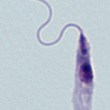
Fighting Leishmania with Synthetic Glycoside
A glycoprotein protects leishmania parasites from digestion by our macrophages. So the parasites can hitch a ride on macrophages to viscera, mucosa or skin and start dividing, causing leishmaniosis. Indian scientists have come up with a synthetic glycoside which targets the glycoprotein and effectively kills the parasites. Tanya Jain, NII, reports.

Winter Productivity in the Arabian Sea
IIT Delhi has created a biophysical model to explain the influences of the Indian Ocean Dipole and El-Niño on the algal blooms in the Arabian sea. Simulations can now help predict algal bloom in the area – a boon for fishers to identify potential fishing sites.
Spontaneous Abortions: Chlamydia and microRNAs
Infection by Chlamydia trachomatis, a bacteria, can cause recurrent spontaneous abortions. Sangita Rastogi and team, ICMR-NIP, New Delhi recently identified two biomarkers in urine that signal the possibility of spontaneous abortion. Read on for details.
Fucoidan: A Natural Polysaccharide for Cervical Cancer
The drug, SAHA, used for treating cervical cancer has too many side effects. Ilora Ghosh and team from JNU has now suggests a nontoxic alternative, fucoidan, a sulphated polysaccharide from brown seaweed.
 STEAMindiaReports