Researchers from the Sathyabama Institute of Science and Technology recently discovered that some freshwater mosquitoes in coastal areas have evolved to breed in saline waters too. This, they thought, might lead to more diseases spread by mosquitoes in coastal areas.
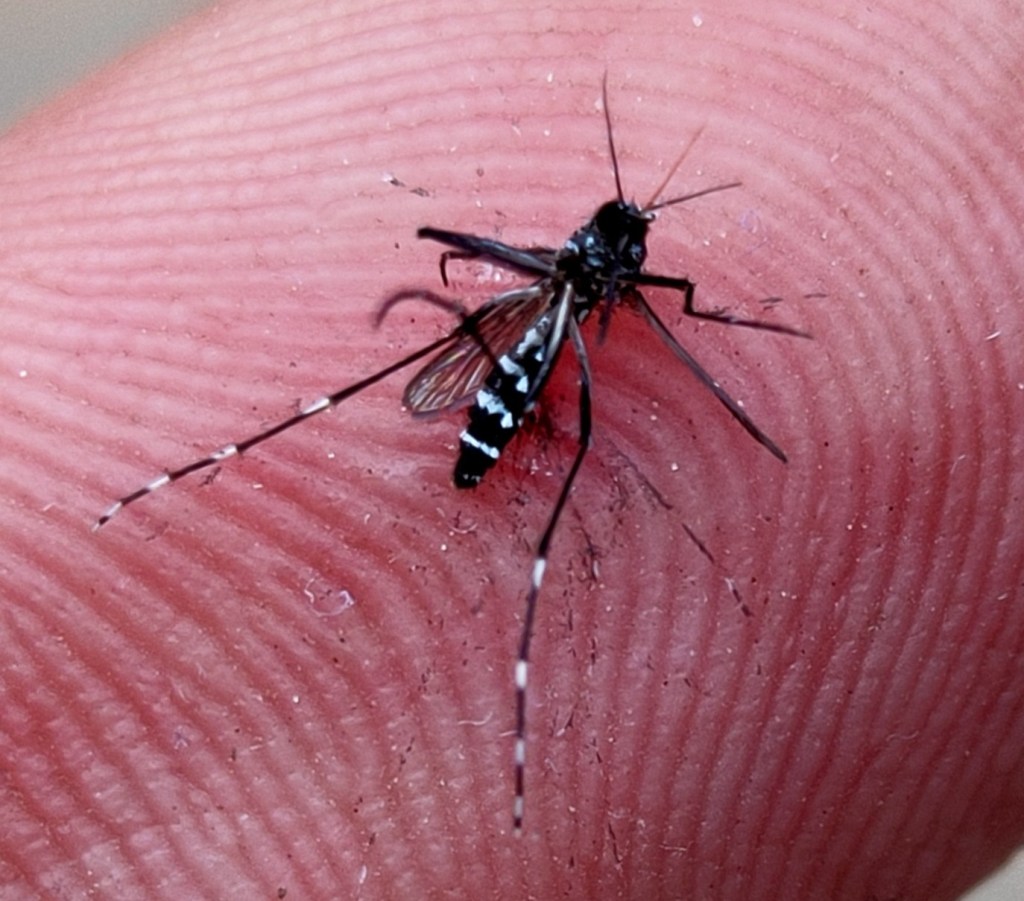
Aedes aegyptii image: Apurv013 via Wikimedia Commons
So, from the National Centre for Vector Borne Disease Control, the researchers extracted data on clinically diagnosed cases of dengue, chikungunya, and malaria. They analysed the data from 2014 to 2023 for each state. Coastal states accounted for almost fifty percent of dengue and malaria cases, and almost seventy percent of chikungunya cases!
Mosquito breeding depends on climatic and environmental factors. The researchers collected environmental data from remote sensing with the geographic information system. The data suggest that rising temperature and humidity levels may have created a year-round risk for mosquito breeding.
The researchers found correlations between mosquito-borne disease surges and shifting weather patterns. Lower rainfall associated with El Niño or increased rainfall and stronger storms associated with La Niña events in coastal areas also showed correlation with epidemiological data.
The high burden of mosquito borne diseases in coastal areas may also be due to freshwater mosquito species adapting to breeding in brackish and saline water.
The increase in mosquito-borne diseases is more than just a health problem. It is an economic burden. In India, economic losses from dengue alone jumped from 10,500 to 57,000 crore rupees in just three years between 2013- 2016. Similarly, malaria’s economic burden is estimated at around 14,000 crore rupees. Nearly one-fourth of this burden is due to treatment costs and three-fourths is due to lost earnings during the period of illness. The economic impact of chikungunya is estimated to be between 20 and 50 crore rupees.
Although these figures represent national data and are not specific to coastal areas, nearly 50% or more of reported cases originate from coastal states and Union Territories, indicating a substantial impact on the coastal economy.
“Increased investment in healthcare in coastal areas and addressing mosquito-borne diseases in these regions can help reduce national expenditure on public health”, says Arokiyaraj C, Sathyabama Institute of Science and Technology.
“There is an urgent need to raise public awareness about mosquito borne diseases to improve mosquito control,” adds S. Sreelakshmi, his colleague.
“We also need further studies to understand how the disease-transmitting traits of mosquitoes respond to changing environmental conditions”, says Krupakar Parthasarathy, Sathyabama Institute of Science and Technology, Chennai.
Current Tropical Medicine Reports 12:15 (2025):
DOI: 10.1007/s40475-025-00348-0
Reported by Amit Kumar
Associate Professor, Sathyabama Institute of Science and Technology, Chennai
Workshop on science writing, a three-month online capacity building exercise for science faculty in India. Last date for application: 25th July 2025.
Here is the link to the details
 STEAMindiaReports
Leave a comment