Science 
Pure science with potential applications
Freshwater Fish Farms: Bacterial contamination?
Though fresh water fish from aquaculture farms are exposed to antibiotics, researchers do not find any multidrug resistant bacteria on fish sourced from farms. But when sourced from the market, the fish seems to have drug resistant bacteria. How does that happen? Read on

Surya Namaskar and anxiety in polycystic ovary syndrome
Can women with polycystic ovary syndrome benefit from practicing Surya Namaskar? Sri Manjari reports research done by Yashvi Panjrath, Vijendra Nath Pathak and Krishan Kumar, which suggests that practicing Surya Namaskar helps reduce anxieties related to body image, a common problem among women with PCOS. Read on…
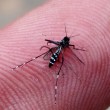
Mosquito-borne diseases – on the rise in coastal India?
Data from the National Centre for Vector Borne Disease Control shows that coastal states have a higher incidence of diseases transmitted by mosquitoes. Why? What can be done to reduce the problem? Researchers from the Sathyabama Institute of Science and Technology, Chennai investigate.
Nitrous oxide in groundwater: based on land use?
Chemical nitrogen fertilisers increase nitrous oxides in atmosphere leading to climate warming. Besides atmosphere, nitrous oxide accumulates in groundwater also. Researchers from NIO and IISc examine the extent of the problem in groundwater under land used for agriculture, in coastal areas, banks of estuaries and forests of India.

Tears as Clues: Towards global research standards
Tears hold clues about infections or inflammation of the eyes. Research suggests that tears may also have biomarkers to help detect many other conditions, including cancer and neurodegeneration. Here is a report on removing the main roadblock in research and development in this direction.

Neuronal Response to Spinal Injury: A matter of proximity
Loss of sensation or chronic pain are common consequences after spinal cord injuries. Researchers find that injuries situated far from the brain, unlike those that are closer, do not get signals for repair and regeneration. And now they know the molecular reasons. One more step towards developing therapies.
GenomeIndia: mapping the genetic diversity of a nation
Blood samples of more than 20,000 individuals, 13,000 genotyped, whole genomes of 10,000 sequenced, genetic variations in 9,000 samples analysed. Thus, the GenomeIndia project uncovered approximately 130 million genetic variants in 83 distinct populations. The preparations for precision medicine and public health innovation in India. A report by Ragothaman from SASTRA.
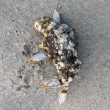
Mussel-inspired Adhesives
A strong adhesive that works well under water and in air. Metal, glass, wood, plastic, paper – it works on them all. Taking inspiration from the adhesive used by mussels to stick on surfaces, researchers at IITK take it to a new level: the new adhesive is self-healing. Is the adhesives industry listening?

Fungi in cancer: revealing deeper relationships
Why do cancer biopsy samples show presence of fungi? Why is it that the fungal species found are specific to different types of cancers? Is it that the tumour environment allows fungi to invade? Or is it that fungi convert normal cells into cancerous ones? Read on to find answers.

Enzyme to Release Aroma from Mango Juice
Mango aroma is released due to the action of an enzyme that breaks the chemical bond between a sugar and the aromatic compound. The enzyme is inactivated in mango pulp and juice. Researchers have now found a way to produce such an enzyme in large enough quantities for industrial use. Read on for details.

