Thematic Area 
Whether it belongs to Medicine, Agriculture, Animal Husbandry, Fisheries, Technology, Environment…
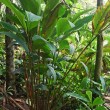
Wild Edible Plants: Wancho tribe diet
The Wancho tribe in Patkai hills, Arunachal Pradesh do not follow their wild ways anymore and cultivate food. But they still collect wild plants as food. Researchers from NERIST, Arunachal Pradesh recently examined the nutritional qualities of four such plants. Rojjita Mishra reports.

Potato Peels and Pea Pods
Cellulases, enzymes that break down cellulose, are in high demand. But the supply is limited. Indian researchers have now come up with new sources and cheap raw materials to produce cellulases at an industrial scale. K. Yashkamal reports.

Bullet Chilli Seeds
Decades of irrigated cultivation of crops is turning agricultural lands more saline. So search is on for salt tolerant varieties. Recently, researchers from West Bengal explored the extent of salt tolerance of seeds’ germination and growth in a salt tolerant variety of chilli. Samikhya Bhuyan reports.
Converting Carbon Dioxide to Methanol
To keep carbon dioxide emissions under control, convert the green-house gas into methanol. To do this, there is a simple method developed recently by scientists at CSIR-NCL Pune and IIT Palakkad. Ajesh Zacchariah reports.
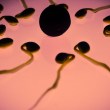
Sex Selection Technology
Mukesh Kumar Gupta from the NIT Rourkela collaborated with Korean researchers to separate cattle sperms that carry X chromosome using a monoclonal antibody against sperms that carry Y chromosome. They could get 95% female embryos in vitro.
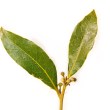
Bay Laurel Leaves: protect aquaculture fish
Fish productivity in aquaculture is affected by disease-causing microorganisms. To treat the diseases, antibiotics are used. But indiscriminate use leads to antibiotic resistance in the microorganisms. Instead of using antibiotics, we could improve the resistance of aquaculture fish to infections using immune-stimulants to activate immune responses to the infections. Recently, researchers at the Karnataka Veterinary, Animal and Fisheries Sciences… Read More ›
Predicting Induced Seismicity
Akshat Goel, an economist, teams up with Denise Gorse, a computer scientist, to compare machine learning models designed to predict seismicity in a gas field in the Netherlands. The work may provide clues for predicting seismicity in some parts of India too. Read on for more.
Inflammatory Bowel Disease: A new therapeutic target
The causative mechanism behind inflammatory bowel disorder is not yet known. The therapeutic strategy to counter the inflammatory response targeted the pathway that was recognised earlier. But there is another pathway that influences inflammation. Soumen Basak’s lab at NII pry apart the role of the two pathways in inflammation. Alvina Deka reports:

Treating Hyperpigmentation: Targeting Fatty Acid Synthesis
Hyperpigmentation, where parts of the skin are darker, pose psycho-social difficulties for some. Indian scientists trace the causative roots of the problem to fatty acid metabolism. Their results point at possible therapeutic interventions. Tanya Jain reports:
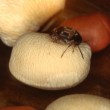
Insect-pests infesting edible stored pulses in India: A survey
Those tiny, dark brown creatures scurrying in pulses and float up when you wash dal for cooking – they are called bruchids. The tiny beetles consume a large portion of the edible pulses produced in India. Data and evidence to take strategic action to counter the loss of the protein-rich food item was lacking till now. An all India survey initiated by ICAR-Indian Institute of Pulses Research, Kanpur has fixed the problem. Aparna Kalawate reports:
 STEAMindiaReports