Food 

Enzyme to Release Aroma from Mango Juice
(0)Mango aroma is released due to the action of an enzyme that breaks the chemical bond between a sugar and the aromatic compound. The enzyme is inactivated in mango pulp and juice. Researchers have now found a way to produce such an enzyme in large enough quantities for industrial use. Read on for details.

Bloodberry: Rich in Omega Fatty Acids and Antioxidants
A humble herb growing naturally on river banks may actually be a superfood, says recent research from the CSIR-Central Food Technological Research Institute. Read more on the nutritional profile and nutraceutical advantages of bloodberry in this report by K Yashkamal.
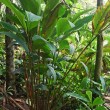
Wild Edible Plants: Wancho tribe diet
The Wancho tribe in Patkai hills, Arunachal Pradesh do not follow their wild ways anymore and cultivate food. But they still collect wild plants as food. Researchers from NERIST, Arunachal Pradesh recently examined the nutritional qualities of four such plants. Rojjita Mishra reports.
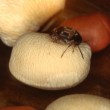
Insect-pests infesting edible stored pulses in India: A survey
Those tiny, dark brown creatures scurrying in pulses and float up when you wash dal for cooking – they are called bruchids. The tiny beetles consume a large portion of the edible pulses produced in India. Data and evidence to take strategic action to counter the loss of the protein-rich food item was lacking till now. An all India survey initiated by ICAR-Indian Institute of Pulses Research, Kanpur has fixed the problem. Aparna Kalawate reports:
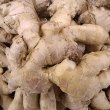
Ginger Extracts: Free radical scavengers and radioprotectors
There are four ginger species that grow in Manipur. Ginger is known to have many beneficial molecules. But how do the four species differ in their nutraceutical properties? Researchers from the DM College of Science, Imphal recently investigated.
Khuban Buch, a researcher from Srinagar, Kashmir, reports the findings.
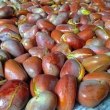
Tamarind and Jackfruit Seeds: Improving vegetable shelf life
R Santhosh and Preetam Sarkar from the National Institute of Technology Rourkela have come up with a recipe for making films to increase shelf life of vegetables and fruits. The ingredients: carbohydrates from jackfruit seeds, xyloglucan from tamarind seeds and zinc oxide nanoparticles. Read about the process here.
Detecting Bismuth Pollution: A fluorescent chemosensor
Bismuth is a highly useful metal for engineers. And bismuth compounds abound in medicine. Yet high doses can dangerous. So we need a method to detect it in food, water and environment. Researchers from Coimbatore have now come up with one.
Snacks with Resveratrol: Fortifying by encapsulation
Resveratrol, found in the skin of red grapes, is found to be useful to reduce stress and risk of metabolic disorders such as diabetes type 2 and cardiovascular diseases. Is it possible to use it to fortify foods? Researchers from Kashmir University investigate.

Hydrogen from Food Waste: Piloting the process
An estimated seven crore tonnes of food waste is thrown out by Indians every year, polluting the environment. Converting this waste into biohydrogen energy is an economic opportunity, say researchers from CSIR-IICT. Municipalities need to listen to this.
Is the Banana Raw, Ripe or Rotten?
How can food industries select bananas at the right stage of ripeness for making various kinds of products? Easy, say researchers from Coimbatore. They have trained a machine learning algorithm to do just that.
 STEAMindiaReports