Agriculture 
West Bengal rice landraces: markers for genetic diversity
(0)The traditional rice landraces in West Bengal are under threat due to the new high-yielding varieties. The traditional rice varieties are better at surviving under climatic and other abiotic stresses. To save the gene pool for the future, we need to distinguish the genetic markers. Gayathri reports recent research.
A heritage grain: location of cultivation matters
Kalanamak, a rice variety grown in Siddarthnagar, has received the Geographical Indication tag. In terms of aroma, kalanamak is superior to the Pusa Basmati 1 variety. Indian scientists show that the nutritional and medicinal qualities of kalanamak depend on where it is grown within Siddarthnagar. Aritha Chandrasekhar reports.

Oyster Mushrooms: a market opportunity
Button mushrooms are easily accessible in the market in most places in India today. But, more nutritious and tastier oyster mushrooms are not. That is an opportunity for paddy farmers, say Indian researchers. Here is a report on recent research on farming oyster mushrooms.
Red rice and white rice: nutritional differences
Seven different rice varieties from Himachal Pradesh. Some grow well in tropical climates; some flourish in temperate climates. Some are red and others are white. Which one provides better nutrition? Gayathri S reports a recent research collaboration between an ICAR institution and a private university.
Pigeon pea problem: solution with soybean
Indian researchers discover how to save pigeon pea crops from the monsoon variability. To reduce chances of loss to farmers due to diseases and pests, and market variability, here are some tips from six years of research. Sanghamitra reports.

From farms to future: automatic classification of vegetables
To speed up the processes adopted in large farms researchers have developed a method to classify vegetables automatically. The accuracy of the method, developed using artificial intelligence algorithms, is much higher than the earlier methods. Shubhangi Chauhan reports.
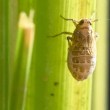
Rice Crop at Risk in India: new frontiers for hopperburn
The brown planthopper can destroy rice crops. Now the pest is seen mostly in the east and south of India. But if the climate changes, the pest may invade other regions in India. Recent research identified the possible extent of expansion of the pest’s habitat. Sanghamitra reports research from Cuttack.
Nitrous oxide in groundwater: based on land use?
Chemical nitrogen fertilisers increase nitrous oxides in atmosphere leading to climate warming. Besides atmosphere, nitrous oxide accumulates in groundwater also. Researchers from NIO and IISc examine the extent of the problem in groundwater under land used for agriculture, in coastal areas, banks of estuaries and forests of India.

Sugarcane Detrashing: Design for Mechanisation
Removing dried yellow leaves from sugarcane is slow and painful if done manually. Existing mechanical devices cannot be adjusted to sugarcane varieties with different heights. Researchers from TNAU have come up with a design that is suitable for all varieties of sugarcane, reducing time and costs for farmers.
Water Management in Banda: paving the way for drought prone districts
Researchers from the Indian Institute of Management Ranchi recently published a case study of managing water in Banda, which could be emulated and reproduced in drought-prone districts across the country. Nupur Sinha, BML Munjal University reports.

