Agriculture 
Nitrous oxide in groundwater: based on land use?
(0)Chemical nitrogen fertilisers increase nitrous oxides in atmosphere leading to climate warming. Besides atmosphere, nitrous oxide accumulates in groundwater also. Researchers from NIO and IISc examine the extent of the problem in groundwater under land used for agriculture, in coastal areas, banks of estuaries and forests of India.

Sugarcane Detrashing: Design for Mechanisation
Removing dried yellow leaves from sugarcane is slow and painful if done manually. Existing mechanical devices cannot be adjusted to sugarcane varieties with different heights. Researchers from TNAU have come up with a design that is suitable for all varieties of sugarcane, reducing time and costs for farmers.
Water Management in Banda: paving the way for drought prone districts
Researchers from the Indian Institute of Management Ranchi recently published a case study of managing water in Banda, which could be emulated and reproduced in drought-prone districts across the country. Nupur Sinha, BML Munjal University reports.
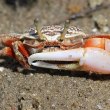
Crab diversity in the estuaries of Kerala
Researchers from the University of Kerala, recently reported spatial and temporal variations in mangrove crab diversity in five of the estuaries of Kerala. The fiddler crab, out of the thirteen species of the short tailed crabs, Austruca annulipes, was the most abundant species and Pseudosesarma glabrum was the rarest. Read more.

Bloodberry: Rich in Omega Fatty Acids and Antioxidants
A humble herb growing naturally on river banks may actually be a superfood, says recent research from the CSIR-Central Food Technological Research Institute. Read more on the nutritional profile and nutraceutical advantages of bloodberry in this report by K Yashkamal.
Molecular markers to distinguish aromatic rice of Kerala
Researchers from the Kerala Agricultural University found three molecular markers to distinguish two aromatic rice varieties of Kerala from non-aromatic ones. This can help detect adulteration of aromatic rice with non-aromatic rice. The markers can also help researchers select aromatic rice plants for breeding purposes. Saravanan M reports.
Protecting brine shrimp from vibriosis: Probiotic bacteria
The brine shrimp, used for toxicity tests in labs, is an important fish feed in aquariums and aquaculture. But commercial scale breeding of brine shrimp faces risk of bacterial infections. Researchers have found a way to protect brine shrimp from bacterial infections by using probiotic bacteria. M S Shivakumar reports.

Bullet Chilli Seeds
Decades of irrigated cultivation of crops is turning agricultural lands more saline. So search is on for salt tolerant varieties. Recently, researchers from West Bengal explored the extent of salt tolerance of seeds’ germination and growth in a salt tolerant variety of chilli. Samikhya Bhuyan reports.
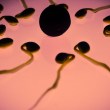
Sex Selection Technology
Mukesh Kumar Gupta from the NIT Rourkela collaborated with Korean researchers to separate cattle sperms that carry X chromosome using a monoclonal antibody against sperms that carry Y chromosome. They could get 95% female embryos in vitro.
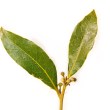
Bay Laurel Leaves: protect aquaculture fish
Fish productivity in aquaculture is affected by disease-causing microorganisms. To treat the diseases, antibiotics are used. But indiscriminate use leads to antibiotic resistance in the microorganisms. Instead of using antibiotics, we could improve the resistance of aquaculture fish to infections using immune-stimulants to activate immune responses to the infections. Recently, researchers at the Karnataka Veterinary, Animal and Fisheries Sciences… Read More ›
 STEAMindiaReports