Punjab 
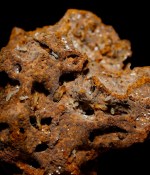
Fungus farms of termites: weed control
(0)Some termite colonies farm specific fungi as their food and carefully eliminate other fungi. How do they do it? Research by a team in IISER Mohali has recently uncovered the methods that a termite common in India use to prevent unwanted fungi from their fungal farms. Read the report.

Surya Namaskar and anxiety in polycystic ovary syndrome
Can women with polycystic ovary syndrome benefit from practicing Surya Namaskar? Sri Manjari reports research done by Yashvi Panjrath, Vijendra Nath Pathak and Krishan Kumar, which suggests that practicing Surya Namaskar helps reduce anxieties related to body image, a common problem among women with PCOS. Read on…

Potato Peels and Pea Pods
Cellulases, enzymes that break down cellulose, are in high demand. But the supply is limited. Indian researchers have now come up with new sources and cheap raw materials to produce cellulases at an industrial scale. K. Yashkamal reports.

Hypertension: Reasons for missed appointments
India now has a system to bring down the death rates of cardiovascular diseases by monitoring the registered hypertensives,. Yet the patients miss their regular appointments. Why? Bidisha Das from the WHO country office investigates.
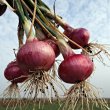
Onion Production: Bacteria at the roots
Onion roots don’t stretch too far and for optimum use of surrounding soil fertility, depend on help from soil microbes. Researchers from the Punjab Agricultural University show that a consortium of such bacteria can reduce fertiliser use and increase production.

Driverless vehicles: Improving navigation in traffic
Baljit Kaur and Jhilik Bhattacharya, Thapar Institute of Engineering and Technology, Patiala help improve navigation of driverless vehicles in traffic by making it easier for responding to surrounding vehicles.

Kali Jeeri for Psoriasis?
Scientists from the CSIR-Institute of Himalayan Bioresource Technology, Himachal Pradesh and the the Punjabi University suggest a solution for psoriasis.
Targeting Malaria: Nutrient nanoparticles carry the drug
Out of the four species of malarial parasites, Plasmodium falciparum, is most deadly. Nearly one million people die, every year, from P. falciparum infections. When the parasite enters red blood cells, it ingests their haemoglobin and deposits it in a digestive vacuole. Here, hemoglobin is broken down to heme and peptides. While peptides are useful to… Read More ›
 STEAMindiaReports