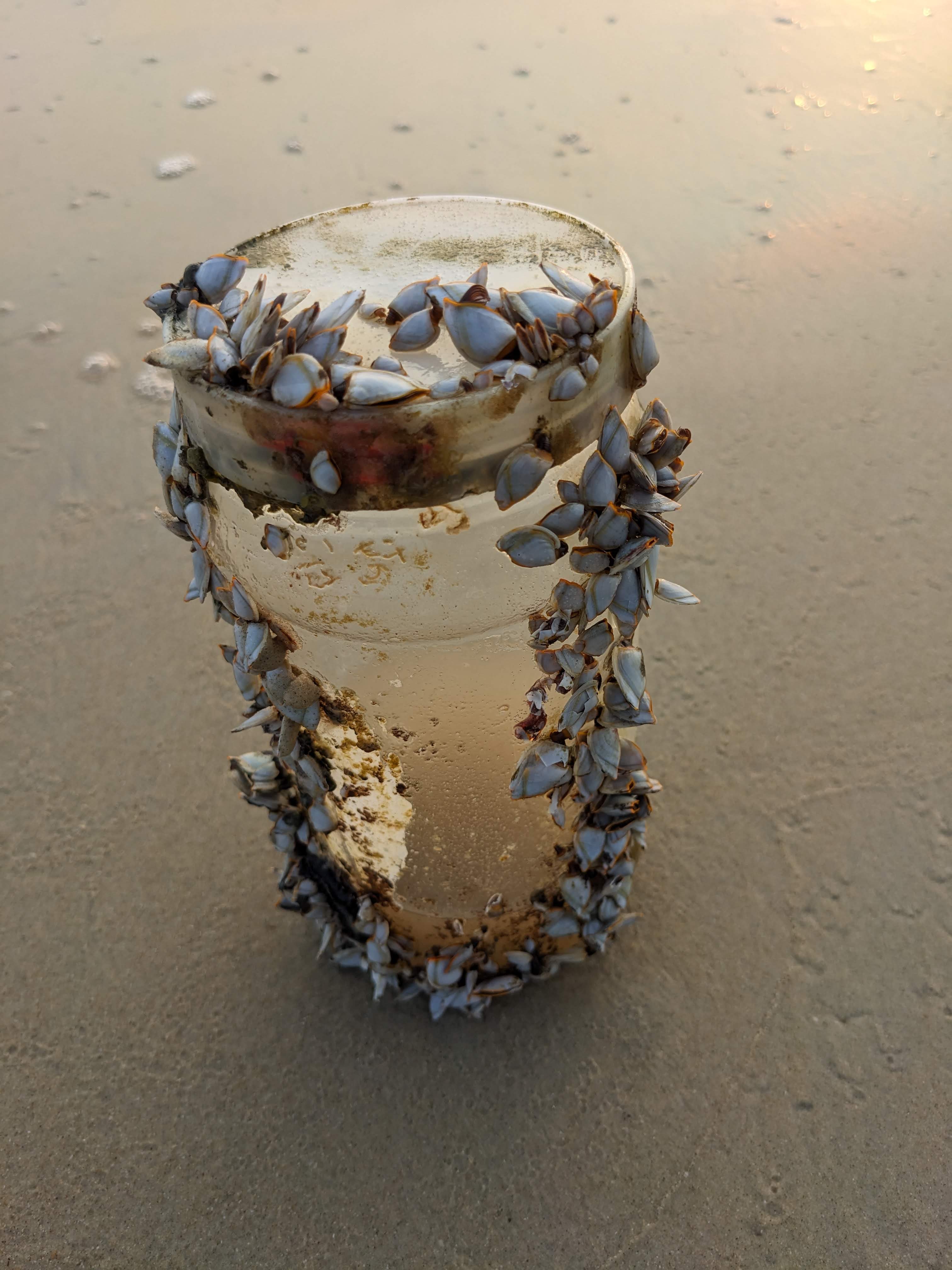
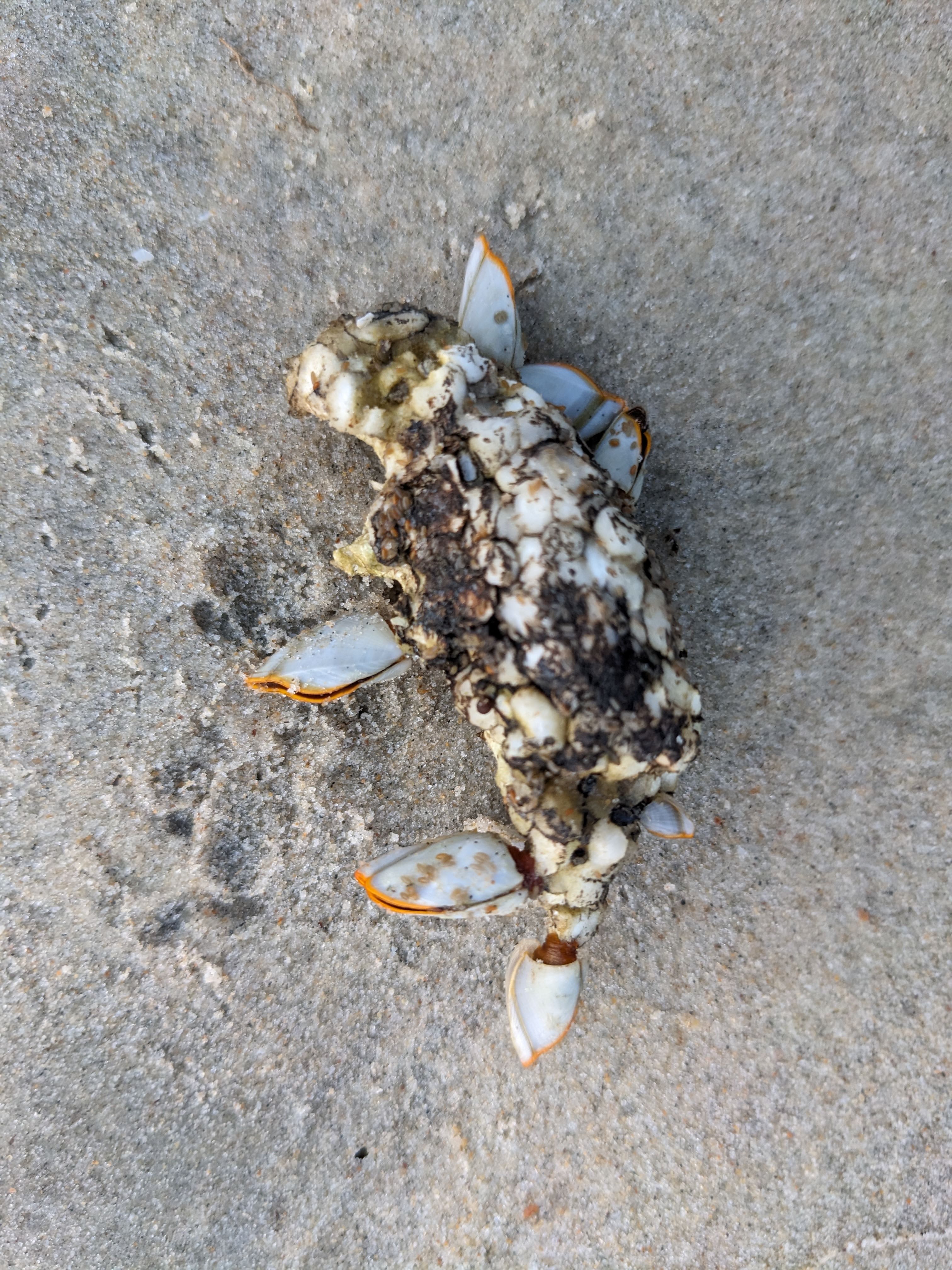
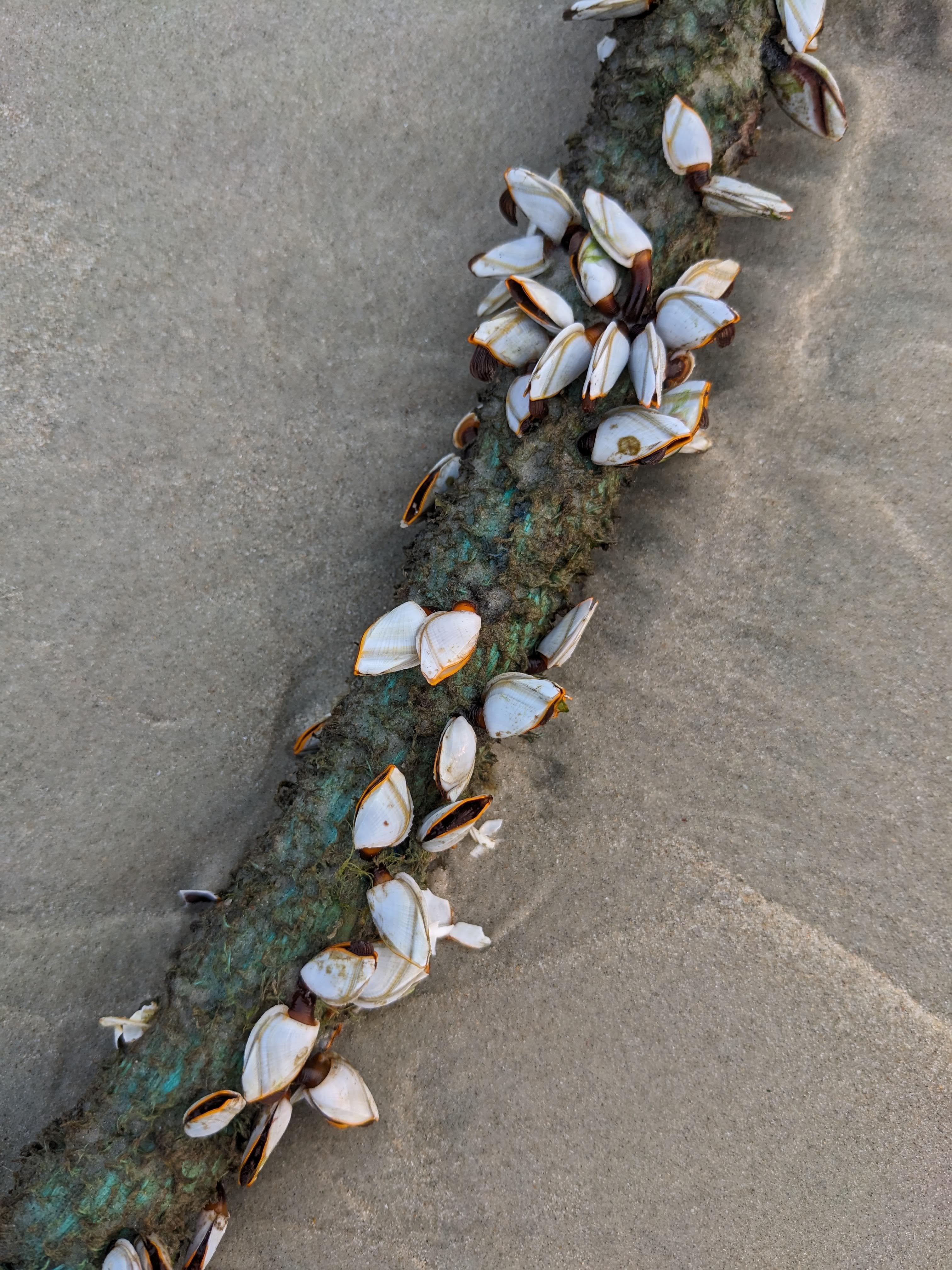
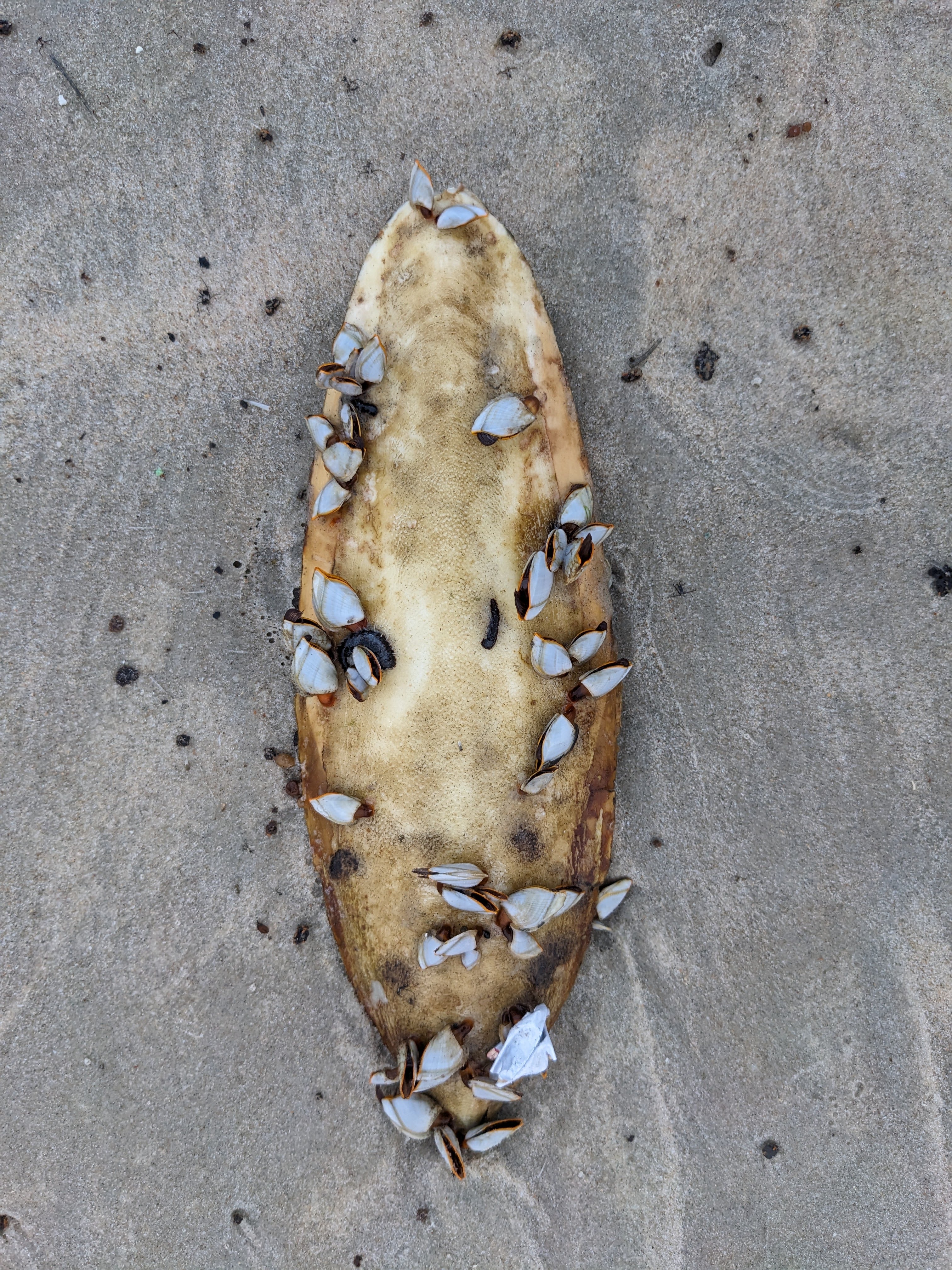
Mussels tend to latch on to any solid surface. Rock, wood, metal, plastic or fibre glass, it does not seem to matter to the mussels. For sea faring vessels, this creates problems: it not only increases the weight, but also increases the drag and, hence, the energy needed to move in marine waters. It is not easy to remove them. So, there has been a lot of research on making the hull less attractive to mussels. Small fishers, for instance, paint their wooden boats with dark exudates from the waste generated when the edible kernel is extracted from cashew nuts.
But imagine if we could put to use the substance that helps mussels stick on to surfaces in marine conditions!
In the early 1980s, the substance used by mussels was investigated and turned out to be a special protein. This protein contains a modified amino-acid, a dihydrophenylanaline. The catechol moiety (a benzene ring with two hydroxyl groups) in dihydrophenylanaline was found to be the key to surface adhesion in wet and marine environments. It took more than 25 years to use this understanding for the creation of mussel-inspired adhesives.
Recently, researchers have started improving the mussel-inspired adhesive. Nikhil K Singha and team at IITKGP, for example, have come out with an exemplary adhesive, using carefully chosen chemical techniques.
The team started out with a termonomer, a polymer made of three subunits, containing ethelene, vinyl acetate and glycidyl methacrylate. Scientifically, it should be called poly(ethylene-co-vinyl acetate-co-glycidyl methacrylate). But that is a mouthful. So, the researchers shortened it to EVA-GMA. EVA-GMA is an elastomer with mechanical, thermal, adhesion, and self-healing properties that are tunable with chemical modifications.
The first task was to introduce a catechol moiety on this elastomer. Nikhil and team chose dihydroxycaffeic acid, a molecule with a catechol moiety, a benzene ring and two hydroxyl groups, the key to the adhesive property. They investigated the resulting material, a dark brown sticky film, to ensure that the reaction product was what they wanted: poly(ethylene-co-vinyl acetate-co-glycidyl methacrylate)-dihydroxycaffeic acid. The researchers shortened the name to EVG-HCA, to make it easier for everybody.
While testing the material, the team realised that the extensibility of the material reduced and that the tensile strength increased over time, especially under hot conditions. This was due to the oxidation of the catechol moiety. That simply wouldn’t do.
To make it better as an adhesive, the team thought of modifying it further, cross linking EVG-DHA with a boronic ester. A boronic ester should give the material additional properties. Besides catechol-metal coordination and hydrogen bonding, the material would have boronic ester covalent bonding, And, if they used phenyl diboronic acid, which has antioxidant properties, the oxidation of the catechol moiety might also be inhibited. So, they tried modifying EVG-HCA with phenyl diboronic acid.
Easier said than done. The process takes three days. Tuhin Subhra Pal, the PhD scholar, helped by Sagar Kumar Raut, the research associate, kept at it and tested the resulting material to ensure that they got what they wanted – a complex material with an even longer chemical name. And, as usual, they shortened it to EVG-HCA-PBDA.
It worked. The boronic ester stopped the oxidation of the catechol moiety and the mechanical properties were more stable over time. And it did not matter whether it was paper, metal, wood or rubber, EVG-HCA-PBDA worked well as an adhesive. It could stick together broken ceramic tiles, and stop leakage by sealing a two-millimetre diameter hole in a tube made of polypropylene filled with water.

“The adhesion strength varied depending on the surface energy of the substrates used. Teflon has low surface energy and, therefore, the adhesion strength was less than on metal or glass. EVG-HCA-PBDA had maximum adhesion on glass” says Tuhin Subhra Pal, IITKGP.
“We applied the material on an area of a little more than two square centimetres between two aluminium substrates. It could hold a weight of five kilograms”, says Sagar Kumar Raut, IITKGP.

How does it compare with commercial adhesives such as those based on poly(vinyl acetate)?

“Under dry conditions, commercially available adhesives had better adhesion strength. But EVG-HCA-PDBA trumped when it came to wet and marine conditions”, says Nikhil K Singha, IITKGP.
But that is only half the story. EVG-HCA-PDBA is a tough material. Once it is healed, you can’t easily scratch or indent it. But, while it is healing, make a scratch. The scratch disappears, if it is heated. The material is self-healing. In fact, if what you stick together comes apart, all you do is put the pieces together and heat them to 130 degrees centigrade and it is as good as new.
So, the new adhesive is not really comparable to any adhesive in the market. Industry leaders might like to contact the Rubber Technology Centre, IITKGP to help upscale the technology for the market.
Chemistry of Materials, 37: 2516−2534 (2025);
DOI: 10.1021/acs.chemmater.4c03286
Reported by Atig and Udham P K
Freelance writers, Goa
STEAMindiaReports: science news that sticks to you
Free-to-use news for Indian media houses
 STEAMindiaReports
Leave a comment