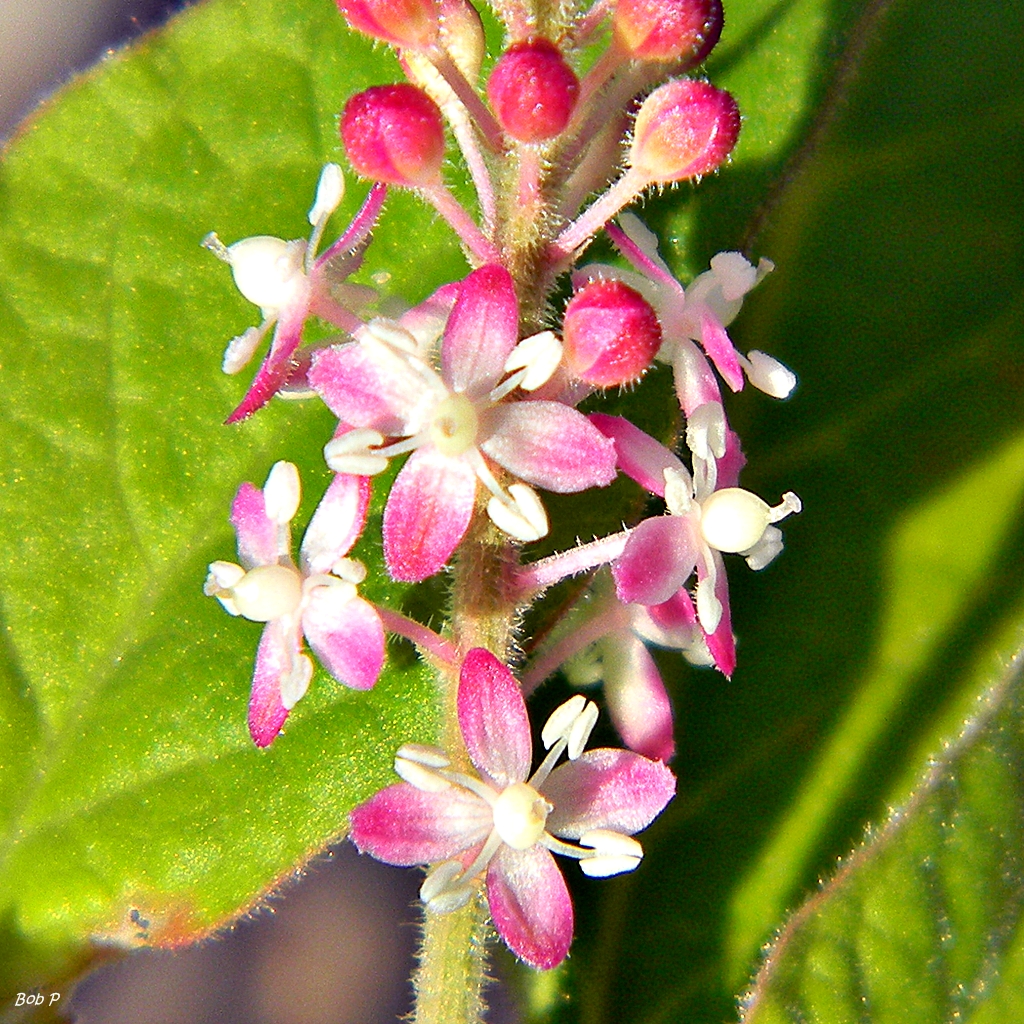
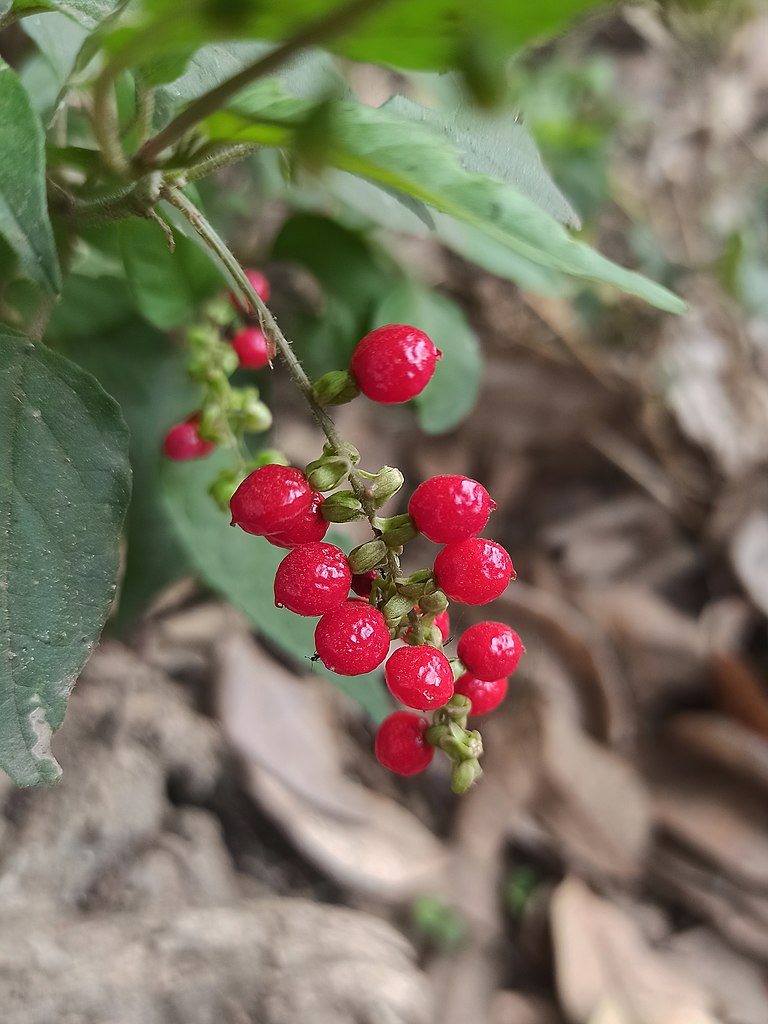
The bloodberry, Rivina humilis L., is a small herbaceous plant with brightly coloured berries. The berries contain betalains, used extensively in food colouring and as dyes. They are safe to eat. The other parts of the plant are used by indigenous people in Mexico, Jamaica and Panama to treat wounds, skin diseases, womb-related problems and colds.
A team of researchers from the CSIR-Central Food Technological Research Institute, Mysuru decided to explore the potential uses of this humble plant that grows naturally near rivers. Collecting Rivina humilis L. plants growing in the Institute campus, they separated the tender stems, leaves, roots, and seeds. After washing, drying and grinding these into fine powders, the researchers analysed them further using several biochemical tests.
The leaves and roots contained high levels of iron, while the seeds had high zinc content. High zinc content makes the seeds of this plant an excellent choice as a biofertilizer.
The total dietary fibre in the seeds was more than what is found in chia seeds and flax seeds. The seed oil contained palmitic, oleic, and linoleic acids. These unsaturated fatty acids have a number of physiological benefits. The oleic acid content in R. humilis seed oil was comparable to what we find in palm oil, sesame oil and rice bran oil.
Using gas chromatography mass spectrometry, the researchers found that the leaf oil had a high content of omega-3 fatty acids which help keep our heart, lungs, blood vessels, and immune system healthy.
The leaves also showed high carotenoid content, which may prevent certain types of cancer, degenerative diseases, and atherosclerosis.
Spectrophotometric methods showed the presence of flavonoids and phenolic compounds in the leaves. Flavonoids have a number of medicinal benefits, including anticancer and antiviral properties, and phenolics have antioxidant and anti-inflammatory properties. Antioxidants protect our cells against free radicals, and help prevent heart diseases, cancer, and other diseases.
The researchers evaluated the antioxidant activity using various assays. The leaves showed the highest antioxidant activity followed by seed, root and stem extracts.
The team quantified anti-nutritional factors such as phytic acid, oxalates, and tannins and confirmed that the berries are safe to eat.
“Food and pharmaceutical industries could use Rivina humilis L. as a source of natural ingredients for food supplements and medicines,” says Parvatam Giridhar, CSIR-CFTRI, Mysuru.
DOI: 10.1021/acsomega.3c02883;
ACS omega Published online: July 27, 2023
Reported by K. Yashkamal
K. S. Rangasamy College of Arts and Science, Tiruchengode
All reports in this site, except those in the archives are free-to-use for Indian media houses.
 STEAMindiaReports
Leave a comment