When our cells are exposed to environmental pollutants, free radicals are generated. To counteract them, our body produces several antioxidants. But there is oxidative stress when the production of free radicals goes beyond the capacity of the antioxidants to protect the cells and various ailments can develop as a consequence. For smooth physiological functioning, antioxidants and free radicals in the body need to be balanced.
Using synthetic antioxidants to create a balance can lead to diverse side effects. Natural molecules, such as those found in some ginger species, are potent free radical scavengers. But which ginger species has the greater amount of such scavengers?
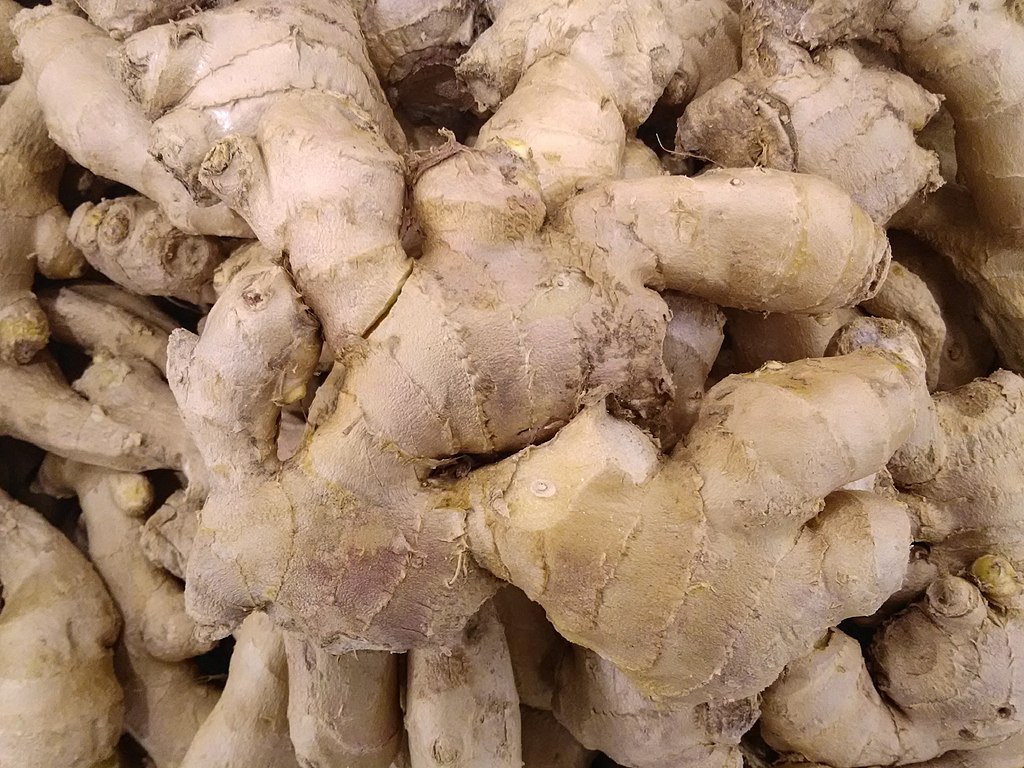
Medhapati Moirangthem Devi and Gurumayum Jitendra Sharma from the DM College of Science, Dhanamanjuri University, Imphal, investigated the free radical scavenging activities of four ginger species: Zingiber kangleipakense, Zingiber montanum, Zingiber officinale, and Zingiber zerumbet.
They collected the rhizomes from various parts of Manipur and cultivated the four species in the experimental garden at the Manipur University. After harvesting the crops, they prepared crude extracts from the rhizomes of the ginger species. The extracts were tested for their antioxidant properties, using assays of their ability to inhibit and scavenge free radicals.
Zingiber officinale had the highest total phenol, flavonoid, and ascorbic acid, well known for antioxidant properties. Zingiber officinale showed the maximum free radical scavenging and ferric ion reducing power.
Zingiber montanum exhibited the highest thiyl free radical scavenging activity. Thiyl radicals are known to cause irreversible protein damage. Zingiber montanum also showed high nitric oxide inhibiting ability. Nitric oxide is a signaling molecule which impacts many physiological processes.
Metal chelating and the ability to scavenge hydroxyl free radicals were greater in Zingiber kangleipakense. Hydroxyl radicals has been implicated in several neurological autoimmune diseases.
The rhizome extracts of Z. kangleipakense and Z. officinale showed protective action against DNA damage, induced in vitro by gamma radiation. Whole-body irradiated albino rats given extracts of the two ginger species also demonstrated in vivo protection. The Zingiber officinale extract provided better protection from radiation-induced DNA and chromosomal damage than that of Zingiber kangleipakense, both in vitro and in vivo.
Considering the antioxidant potential and other protective effects, these ginger species could be used as nutraceuticals for the control and treatment of reactive oxygen species-mediated diseases, say the researchers.
International Journal of Food Properties, 25:1, 1890-1906 (2022);
DOI: 10.1080/10942912.2022.2111440
Reported by Khuban Buch
SKUAST-K
STEAMindiaReports: spice for scientific minds
Science news reports in this site are free to use for Indian media
The reports here are written by researchers and validated by scientists
 STEAMindiaReports
Leave a comment