Technology 
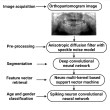
Predicting age and gender from dental images
Hemalatha Balan from the KGISL Institute of Technology, Coimbatore has come out with a method to automatically classify dental images as per age and sex – a boon for forensic science. Nazim Nazeer from the ICMR-National Institute for Research in Environmental Health provides the details:
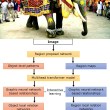
Captioning Images Automatically
There are about an estimated 750 billion photographs on the internet now – most were uploaded without adequate descriptions. Here is the beginning of a system that can help sort out the mess. The revolution in the realm of images similar to ChatGPT in textual realm.
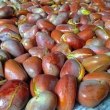
Tamarind and Jackfruit Seeds: Improving vegetable shelf life
R Santhosh and Preetam Sarkar from the National Institute of Technology Rourkela have come up with a recipe for making films to increase shelf life of vegetables and fruits. The ingredients: carbohydrates from jackfruit seeds, xyloglucan from tamarind seeds and zinc oxide nanoparticles. Read about the process here.

Transparent Metallic Electrodes: for flexible digital devices
Scientists from NIT Warangal, DMRL Hyderabad, SRM Institute of Science and Technology, and ARCI Hyderabad have now come out with a super thin, transparent and flexible metallic electrode for optoelectronics and wearable digital devices. Read the report here:
Rice Plant Disease: Automatic identification
Some diseases of rice can destroy 80% of the crop. Timely detection of the diseases can save farmers from economic ruin. Researchers from Tamil Nadu and Karnataka have now developed a method to automatically detect three common rice diseases. Read on for details.
Detecting Road Damage: Using smartphone images
A smartphone on a vehicle windshield picks up an image of damaged road, geotags and sends them to cloud storage. An algorithm classifies the damage, alerts authorities to take action. Future of road maintenance technology from IIT Roorkee.
Mercury and Methylmercury: detect and discriminate
Mercury in the environment is dangerous to human health. Methyl mercury is even more so. Nilanjan Dey from BITS Pilani, Hyderabad has designed a cost effective and highly sensitive method to detect both.
Chitosan Properties: source matters
More than two decades ago, a team from CSIR-NCL started inquiring into the basic science of the felicity of fungi to shift forms between yeast and hyphae. Now they are homing in on applications. Here are the details of the first one.
Dealing with Dyes: Fungi to the rescue
Lakshmi Tiwari and Barkha Sharma from the G B Pant University of Agriculture and Technology, Pant Nagar have come up with a cute solution to water pollution by the dangerous dye, Congo red: agar plugs containing mycelia of the fungus, Penicillium crustosum.
Microplastics in Ballast Water: saving the seas
To stabilise ships in oceans, water is pumped in or out of the ballast depending on the other loads on the ship. If the water being pumped out is filtered ships can save the oceans from the emerging microplastic pollution, say Indian scientists.
 STEAMindiaReports