Thematic Area 
Whether it belongs to Medicine, Agriculture, Animal Husbandry, Fisheries, Technology, Environment…

Targeting Salmonella in the era of drug resistance
Pune University researchers identify six drug targets for treating antibiotic resistant salmonella
Arrest that Biofilm! Starring the Spider Lily
The beach spider lily, Hymenocallis littoralis, has medicinal benefits. It has anti-viral properties and is useful in tumour or cancer cases. It also inhibits biofilm formation – important in overcoming pathogens. Biofilms make cells impermeable to antimicrobials and can cause antibiotic resistance. However, we lack studies on the active compounds that inhibit biofilm formation. Last… Read More ›
Targeting Malaria: Nutrient nanoparticles carry the drug
Out of the four species of malarial parasites, Plasmodium falciparum, is most deadly. Nearly one million people die, every year, from P. falciparum infections. When the parasite enters red blood cells, it ingests their haemoglobin and deposits it in a digestive vacuole. Here, hemoglobin is broken down to heme and peptides. While peptides are useful to… Read More ›
Copper Oxide Nanoparticles: synthesis with neem leaf extract
Producing nanomaterials, using plant extracts, is emerging as a promising approach to create metal oxide nanoparticles with potential applications in optoelectronics, nanosensors, nanodevices, nanoelectronics, information storage, and catalysis. Among the various metal oxide nanoparticles, copper nanoparticles are of great interest, because of their low cost of preparation and excellent physical and chemical properties. Copper nanoparticles… Read More ›
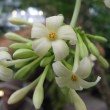
Documenting Discrimination: Perceptions of plant gender
Plants that bear either male or female flowers differ in their medicinal properties depending on the sex of the plant. Do Ayurveda practitioners and folk healers distinguish the distinct properties of male and female plants?
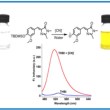
Fluorescent tool for cyanide sensing
Mumbai University researchers come up with cost effective way to monitor cyanide in water. A call for action to environmental entrepreneurs.
Hydropriming improves osmotic tolerance in green gram
Jisha and Jos from Calicut university has a tip for growing green gram: soak the seeds in water for a few hours before sowing.
Lead Drugs from Brown Seaweed
Seaweeds are a predominant component of marine flora. There are several species of seaweed or macroalgae: red, brown and green. Seaweeds are a rich source of many bioactive secondary metabolites with extraordinary medicinal properties, ripe for industrial exploitation. Recently, Kajal Chakraborty and team from the Central Marine Fisheries Research Institute, Cochin discovered sulphated polysaccharide in… Read More ›
Solar Cells with Nano-Needles: Flexible and Efficient
The efficiency of solar cells is like a jigsaw puzzle. All the pieces are disparate. Though the solution depends on every single piece available, the progress depends on some key pieces. The structure and arrangement of the nanoparticles is one such key piece in the puzzle that can lead us to quicker solutions. Rakesh Sonker,… Read More ›
Increasing Rubber Productivity
Rubber latex is the blood that runs through the veins of Kerala’s economy. From acres of plantations to small groves in backyards, Hevea brasiliensis is tapped for its natural latex, with unique properties that can’t be matched by synthetic polymers. There have been many interventions to improve rubber productivity: budding, identifying clones for better yield… Read More ›
 STEAMindiaReports