Thematic Area 
Whether it belongs to Medicine, Agriculture, Animal Husbandry, Fisheries, Technology, Environment…
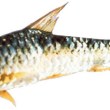
Endangered Malabar Mahseer
Scientists from the Kerala University of Fisheries and Ocean Studies, Kochi clear the confusions about the identity of Malabar mahaseer, Tor malabaricus. Using mitochondrial DNA, they establish that it is different from Tor khudree, settling a century old debate.
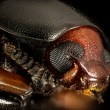
How do Bees see Colours?
Bees need to identify flowers. How do their compound eyes see the world? Do they see the flowers in the same colours as us? Researchers from Indian Institute of Information Technology and Management, the University College and the Indian Institute of Space Science and Technology, Thiruvananthapuram join hands to find out.

Automatic identification of melanoma from dermoscopic images
Researchers from Andhra Pradesh show the world how to sort dermascopic images, to identify skin melanoma. Look out for more stories on STEAMindiaReports on how artificial intelligence is slowly revolutionising the future of diagnostics.
Growing nitrogen-doped graphene quantum dots on carbon fabric
Nitrogen-doped graphene quantum dots have incredible photocatalytic and electrocatalytic properties. Scientists have now found a way to grow them on carbon fibre, for use in cleaning polluted water.

Anti-Cancer compounds from marine crab hemolymph
Researchers from the Annamalai University and CSIR-NIO Goa fish for anticancer compounds in the hemolymph of the marine crab Dromia dehaani. Shingolipids surface as potential adjuvant to cancer therapy. Click to read more.

Bacteria to produce vanillin?
Shashwati Ghosh Sachan and team from the Birla Institute of Technology, Ranchi report isolating a bacteria that can transform eugenol to vanillin. Food industries may start using the bacteria and reduce dependence on vanilla bean.
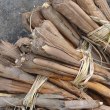
Hydrogen Fuel Cells: Palmyra sprouts biochar
S Ramaprabhu’s Alternative Energy & Nanotechnology Lab in IIT Madras reports a method to store hydrogen at room temperature. A step towards making vehicles running on hydrogen fuel.
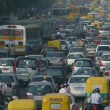
Driverless vehicles: Improving navigation in traffic
Baljit Kaur and Jhilik Bhattacharya, Thapar Institute of Engineering and Technology, Patiala help improve navigation of driverless vehicles in traffic by making it easier for responding to surrounding vehicles.
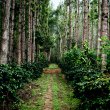
Agrochemicals in Coffee Plantations: Health risks to frogs
Researchers from the Kuvempu University find that frog species diversity in coffee plantations that use chemical fertilisers and pesticides is lower than in those plantations that do not use agrochemicals.
Early identification of babies at risk for neonatal sepsis mortality
Researchers from the ICMR-National Institute of Immuno-haematology and KEM Hospital show that there is an easy and quick way to assess babies at risk for mortality due to sepsis: higher variations in red cell sizes.
 STEAMindiaReports