Medicine 
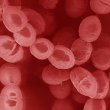
Hyaluronic Acid from Lactococcus lactis
Researchers from IIT Madras bioengineered bacteria used in diary industries to produce hyaluronic acid. Hyluronic acid has many applications including in biological implants.
Cancer Theranostics
Researchers from Gujarat comes up with a three-way attack on cancer cells without affecting normal cells. And the technique is useful to visualise cancer cells too. A method to see where the drugs are are acting. Diagnosis and therapeutics in one!
Electrical Sensors to Detect Cancer
Cancer, according to a 2018 survey, afflicted two million people and killed approximately eight lakhs. In most cases, cancer is undetectable till the last stage. Therefore, simple and easy detectors are in demand for early detection. Now, Tanusree Roy from the UEM, Kolkata has devised an electro-sensor to distinguish between cancerous and non-cancerous cells based… Read More ›
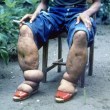
Filariasis affects kidney?
Filariasis brings images of swollen legs or hands. But it can affect kidneys too. Ram Manohar Lohia Hospital in Delhi reports two such cases. Diagnosing of the problem is difficult for doctors in endemic areas and call for innovations to tackle the problem, say the researchers.
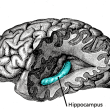
Obsessions and Compulsions
Researchers in NIMHANS, Bengaluru point out that the earlier findings about decrease in hippocampal volume in OCD patients may not be accurate. In fact, the hippocampus of OCD patients are more than in controls. However, in severe cases of obsessive compulsive disorder, the posterior part of the hippocampus seem to reduce in size.
Date Palm Silver Nanoparticles
The root hairs of the date palm from Saudi Arabia goes to Korea where they extract the phytochemicals. The extract is used to produce silver nanoparticles that are effective against bacteria, fungi and cancerous growth.

Targeting Salmonella in the era of drug resistance
Pune University researchers identify six drug targets for treating antibiotic resistant salmonella
Arrest that Biofilm! Starring the Spider Lily
The beach spider lily, Hymenocallis littoralis, has medicinal benefits. It has anti-viral properties and is useful in tumour or cancer cases. It also inhibits biofilm formation – important in overcoming pathogens. Biofilms make cells impermeable to antimicrobials and can cause antibiotic resistance. However, we lack studies on the active compounds that inhibit biofilm formation. Last… Read More ›
Targeting Malaria: Nutrient nanoparticles carry the drug
Out of the four species of malarial parasites, Plasmodium falciparum, is most deadly. Nearly one million people die, every year, from P. falciparum infections. When the parasite enters red blood cells, it ingests their haemoglobin and deposits it in a digestive vacuole. Here, hemoglobin is broken down to heme and peptides. While peptides are useful to… Read More ›

Documenting Discrimination: Perceptions of plant gender
Plants that bear either male or female flowers differ in their medicinal properties depending on the sex of the plant. Do Ayurveda practitioners and folk healers distinguish the distinct properties of male and female plants?
 STEAMindiaReports