Mayurbhanj district, in Odisha, is inhabited by many tribes. The people in these tribes consume specific insects as part of their diet. They also use certain insects for traditional therapeutics.
Which insects do they eat? And which ones are used for medicinal purposes?
Researchers from three different institutions in Odisha set out to find answers in villages in the district. The villagers were primarily Santhals, Kolhos, Bhumijas, and Bathudis. The researchers spoke with adult villagers, especially elders of both sexes, who would generally know more about traditional practices.
To find out the local names of the insects as well as when and where they catch the insects, the researchers showed the villagers pictures and videos of insects. They also collected information on how the tribals prepare the insects for consumption and for medical use.
The Santals consumed more insects than the other tribes. Most of these insects were boiled or fried before consumption. Since many of the insects were seasonal, to make the preparations last longer, the Santals mixed them with condiments to make chutneys or pickles. While the older generation ate the insects as food and for medicinal purposes, teenagers were more hesitant about consuming insects.
The researchers collected samples of specific insects pointed out by the tribes. Back at the university, they identified the insect species.
The most commonly consumed insect was the red weaver ant, Oecophylla smaragdina. After collecting the ants, the eggs are separated and the juveniles are crushed and eaten. The ant was used as medicine for colds, whooping cough and jaundice. It gained popularity during the COVID-19 pandemic for its immunostimulant appetite stimulant properties. In 2024, Kai chutney, prepared from red weaver ants, received a Geographical Indication tag from the Government of India.
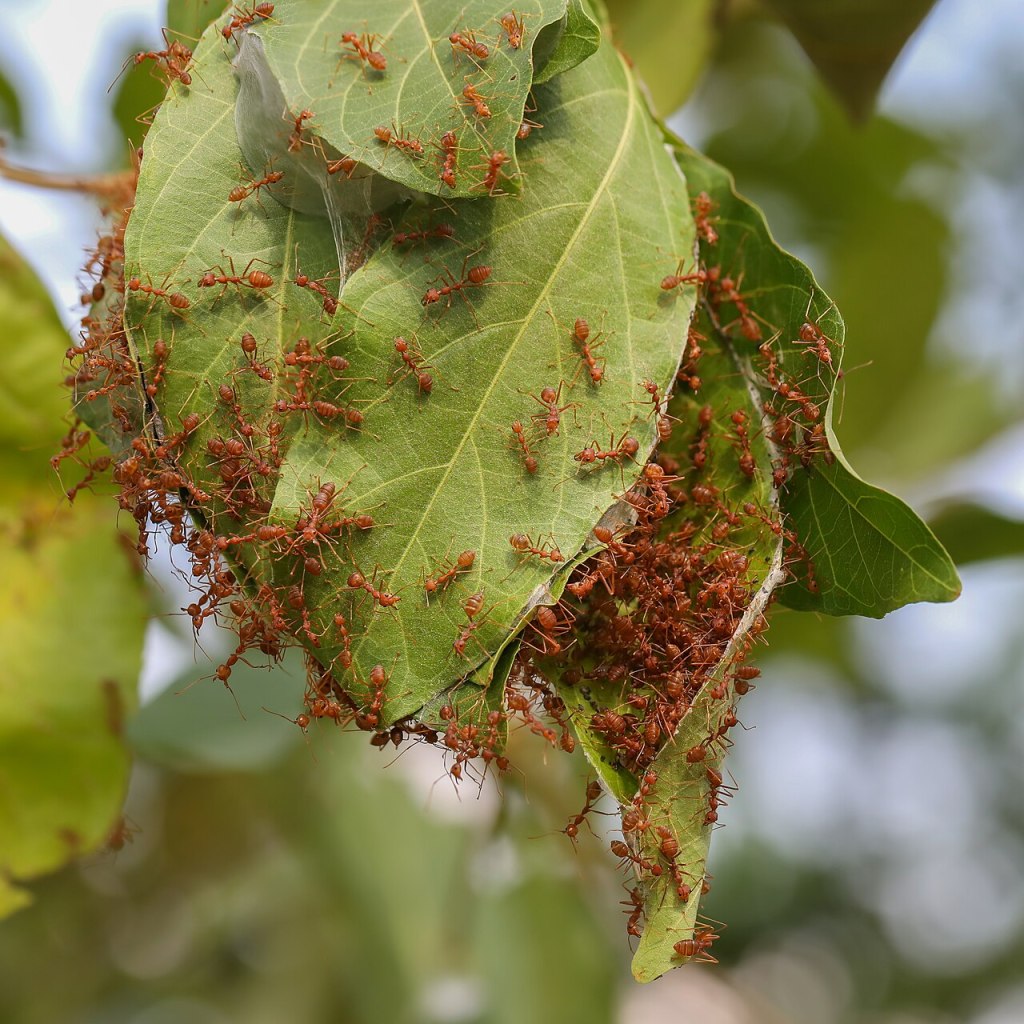
Image: Basile Morin via Wikimedia commons
The winged termite, Macrotermes subhyalinus, reported to have high iron content, is used by the tribals to cure anemia. It is eaten without processing or frying.
The bamboo caterpillar, Omphisa fuscidentalis, is given to pregnant women. The researchers say that it contains magnesium and iron and increases blood haemoglobin.
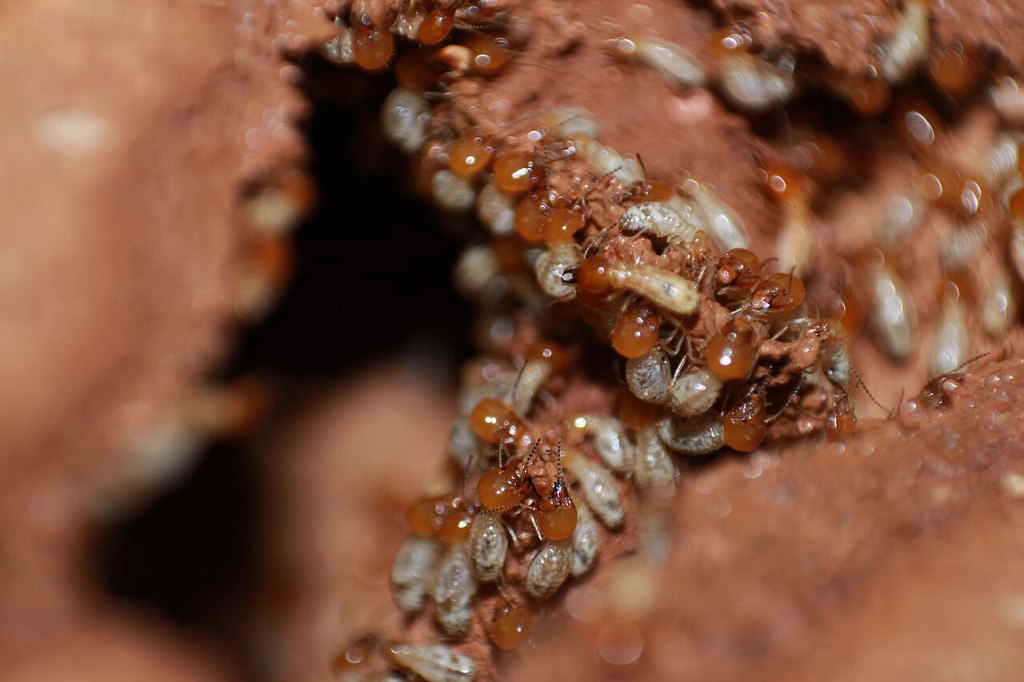
The queen termite of Odontotermes obesus is consumed to increase lactation in poorly lactating mothers. According to the tribals, weekly consumption of two or three queen termites increases breast milk production within a month. Worker termites are crushed and consumed for treating peptic ulcers and to improve appetite.
Image: Nikhil More via Wikimedia Commons
The tribals use the larvae of the ant lion, Myrmeleon, to treat epilepsy and ulcers in the mouth. The ant is swallowed directly along with banana or boiled in ghee.
Gryllus bimaculatus, a cricket, though mainly found in the rainy season, can be dug up from the ground throughout the year. The cricket has higher quantities of proteins, iron, zinc and magnesium than animal or poultry meat and eggs. Research has shown that it has no toxicity and that extracts of the cricket reduce autistic symptoms in mice models.
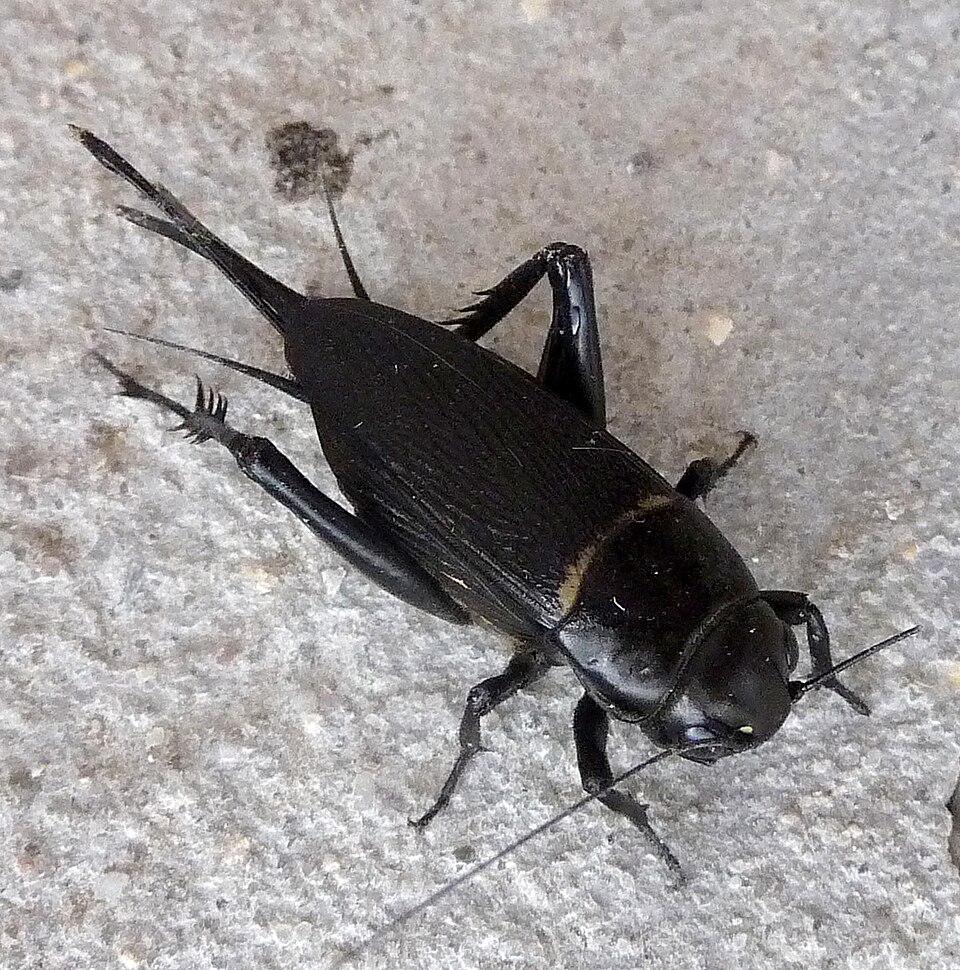
Image: Gail Hampshire via Flickr
Besides the fifteen insects used for medicinal purposes, the villagers here consume another set of fourteen insects as food.
“The ability of the tribal people to distinguish edible from non-edible insects is linked to their traditional ecological knowledge, transferred orally across generations”, says Aarti Ho, Seemanta Mahavidyalaya, Jharpokharia.
“But before we can use these insects for therapeutic purposes or as foods, more research is needed to understand the nutritional values, the mechanism of action and side effects if any for use in different disease conditions”, adds Bibhu Bibhu Prasad Panda, Siksha ‘O’ Anusandhan (Deemed to be University), Bhubaneswar.
“Most of the research on entomophagy in India is from the eastern parts of India. There is also a need to document insects consumed as diet or as medicine, in other parts of India, says Debasis Nayak, Maharaja Sriram Chandra Bhanja Deo University, Baripada, Mayurbhanj.
DOI: 10.1007/s43621-025-01578-y;
Discover Sustainability 6:707 (2025)
Reported by Sanghmitra Deobhanj
Freelance science writer, Cuttack
This report was written in an online workshop organised by scienceandmediaworkshops
The reports in this site is free-to-use for Indian media houses
 STEAMindiaReports
Leave a comment